Harvard Historical Society
Discover Your Town
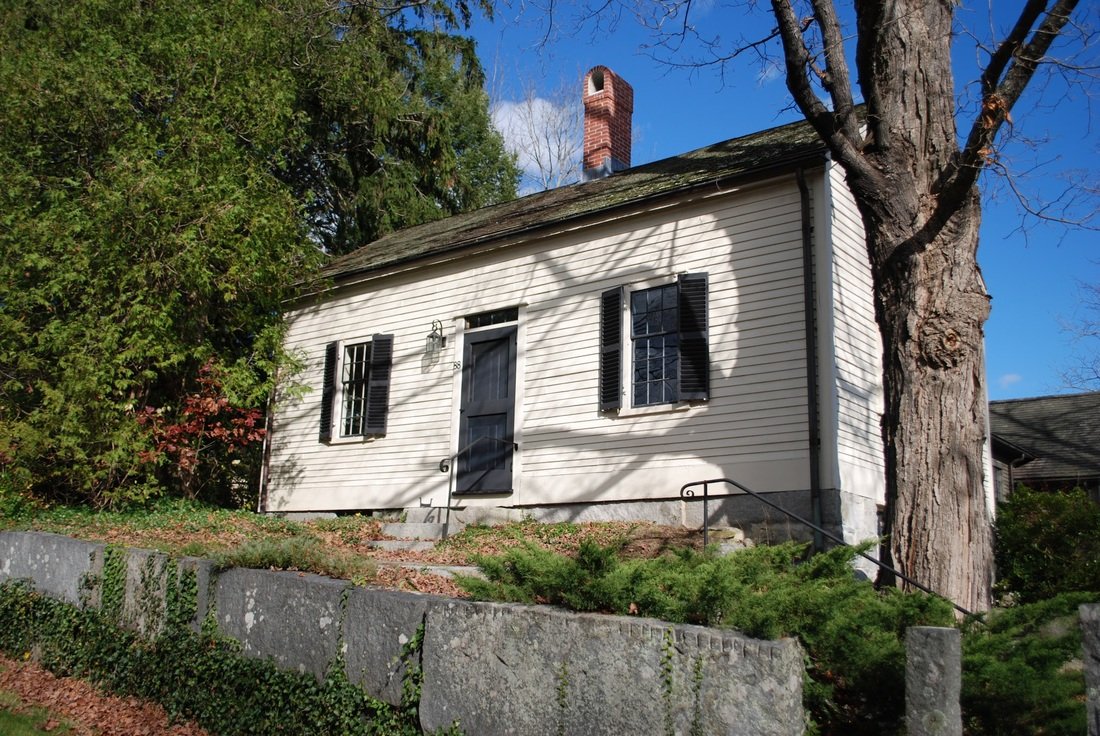
Shaker Village – Herb Dry House
Published: May 15, 2026
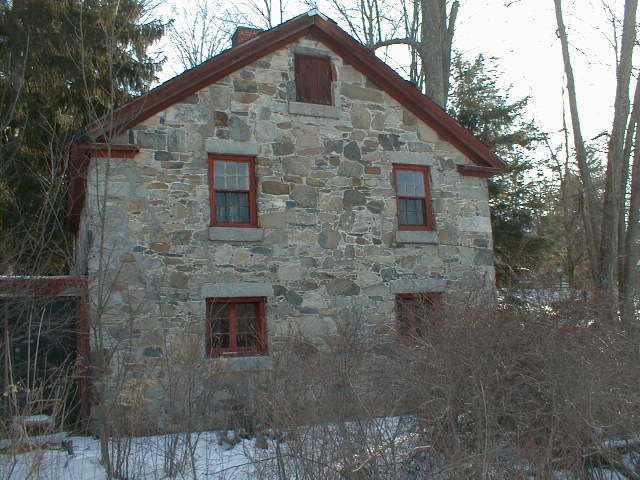
The Harvard Shakers became one of the major producers of medicinal herbs in 19th-century America. This charming building was made of stone due to the risk of fire during the drying process.
Two of the most profitable industries in Harvard were the herb and seed businesses. After its start in the 1820s, the herb business became the more lucrative. By 1845 the Shakers were selling 197 kinds of “medicinal herbs,” eight varieties of “sweet herbs in canisters,” and 13 “extracts,” along with powders, oils, and patent remedies. In 1848 they built the Dry House for drying the herbs; it was made of stone due to the risk of fire during the drying process. They began construction of a large herb house that they finished in 1850, which is now gone.
Some of the better-documented herbs they sold included: sage, thyme, sweet marjoram, summer savory, lavender, lemon balm, hyssop, rosemary, rue, dill, fennel, pennyroyal, bloodroot, elder, witch hazel, sarsaparilla, horseradish, yellow dock, spearmint, and peppermint
The Harvard Shakers also processed and sold:
- dried roots such as dock and pond lily root,
- distilled floral and mint waters,
- herbal extracts,
- ointments,
- and proprietary medicines such as “Shaker Vegetable Family Pills” and sarsaparilla syrups.
In addition to drying herbs and fruits, Shakers also processed dock, flag, pond lily roots, and other roots by drying and powdering them for sale. Large quantities of horseradish root were dried as well.
They developed a national reputation for purity and accurate identification of medicinal plants, which mattered enormously before modern pharmaceutical regulation.
Videos
This video shows the eastern facade of the structure.
This video shows the southern facade of the structure.
This video shows the northern and western facades of the structure.
And in this video, you can explore the interior.
“…It is settled to build a dry House The walls to be stone and arched over head with brick and to be nearly or quite fire proof throughout”
—1848 Shaker journal entry
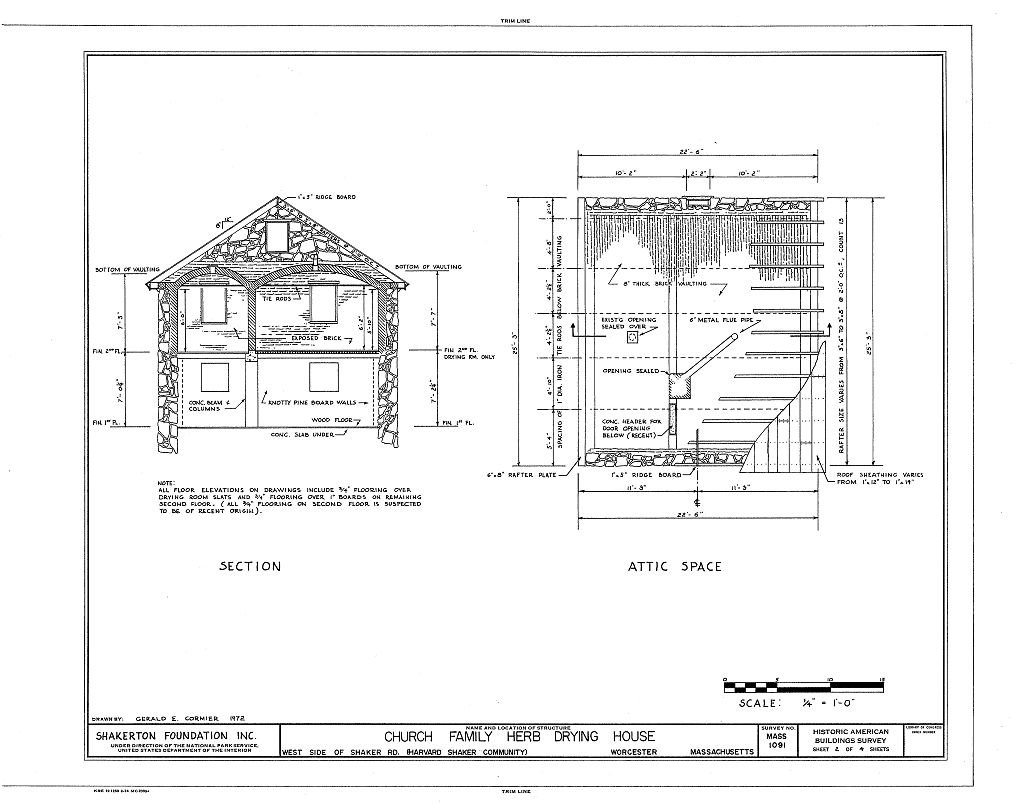
architectural drawing showing a cross section of the building, and the attic design
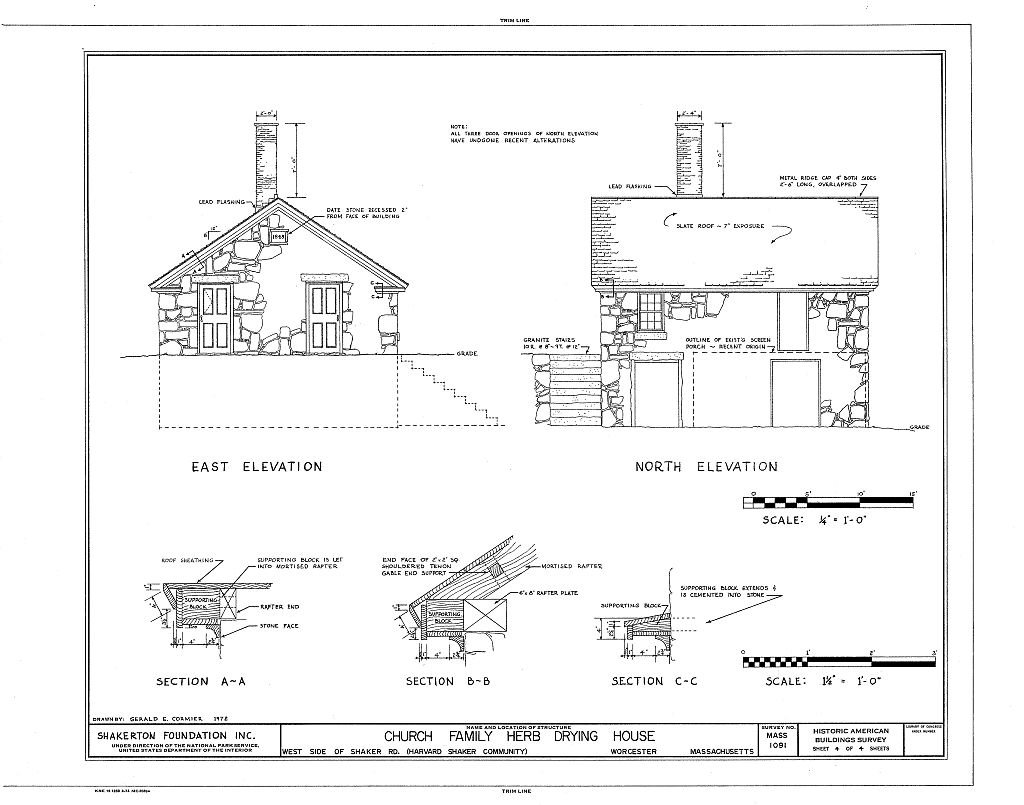
Architectural drawings of the east and north elevations
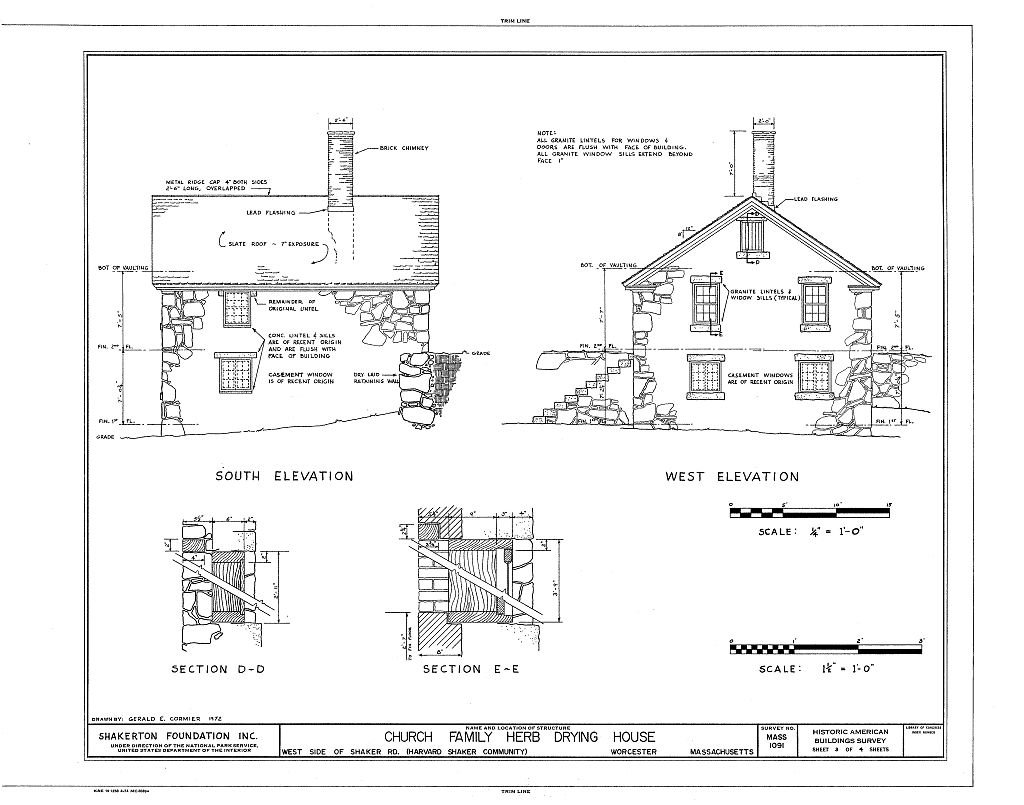
Architectural drawings of the south and west elevations
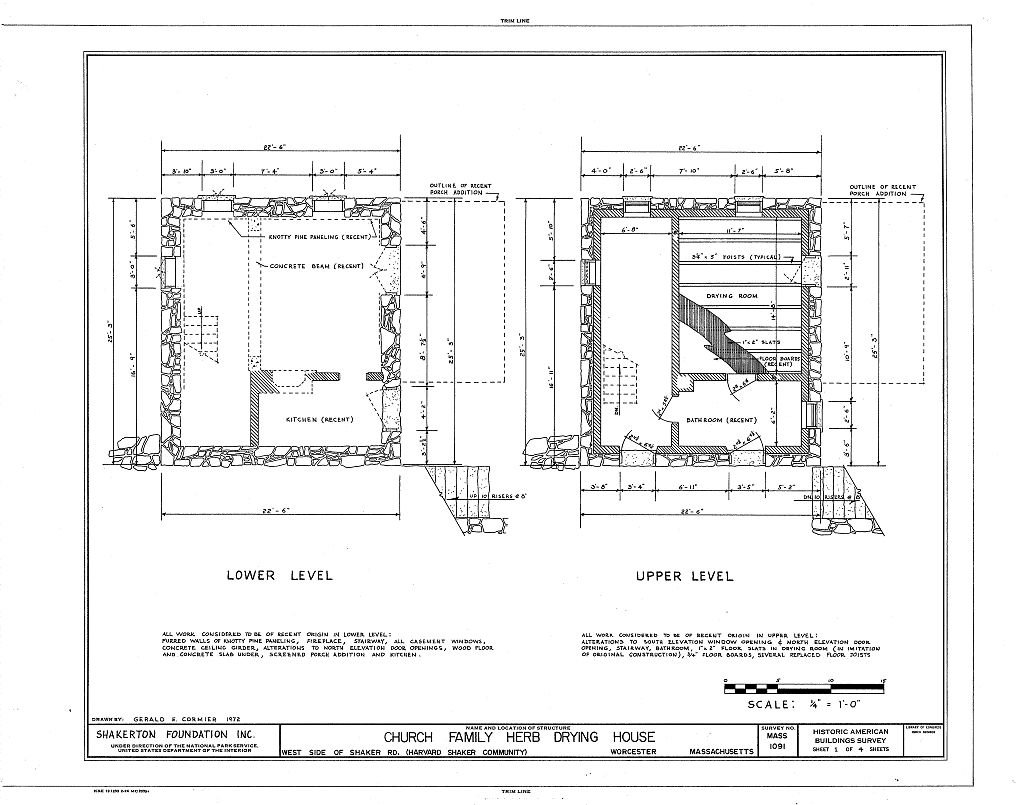
Architectural drawings showing the current floor plans
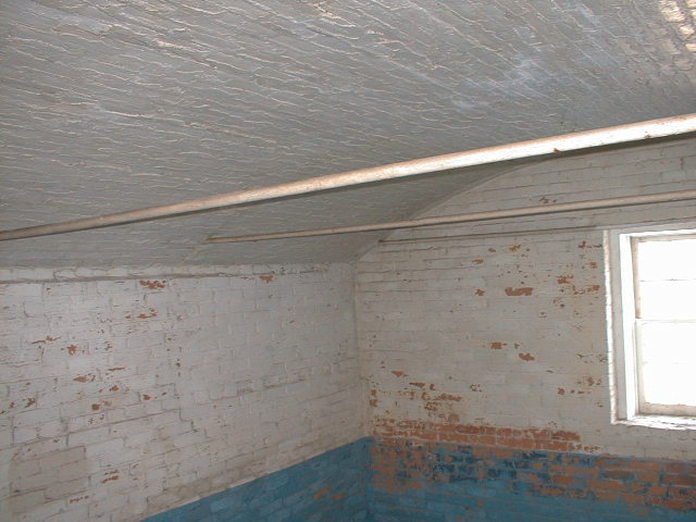
Second floor showing vaulted ceiling
More about the Shaker Village...
Shaker Village – Holy Hill
Shaker Village – South Family Sister’s Shop
Shaker Village – Spring House and Aqueduct
Shaker Village – Whipping Stone
Shaker Village – South Family Stone Barn Ruins
Shaker Village – South Family Dwelling House
Shaker Village – North Family Trustee’s Office
Shaker Village – Tailor Shop
See all...
More related: