Harvard Historical Society
Discover Your Town
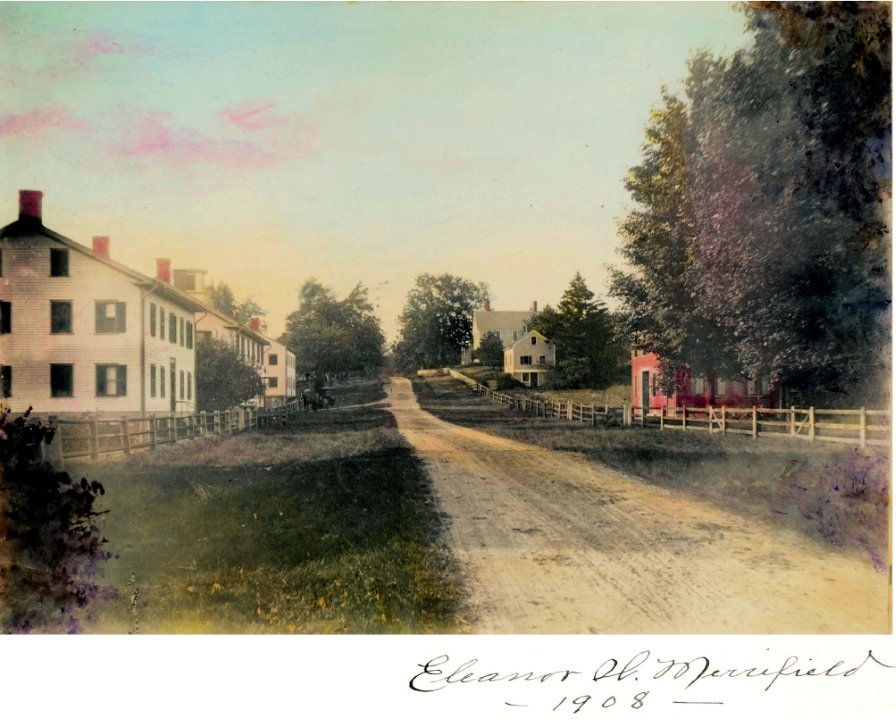
The Creation of the Harvard’s Historic Districts

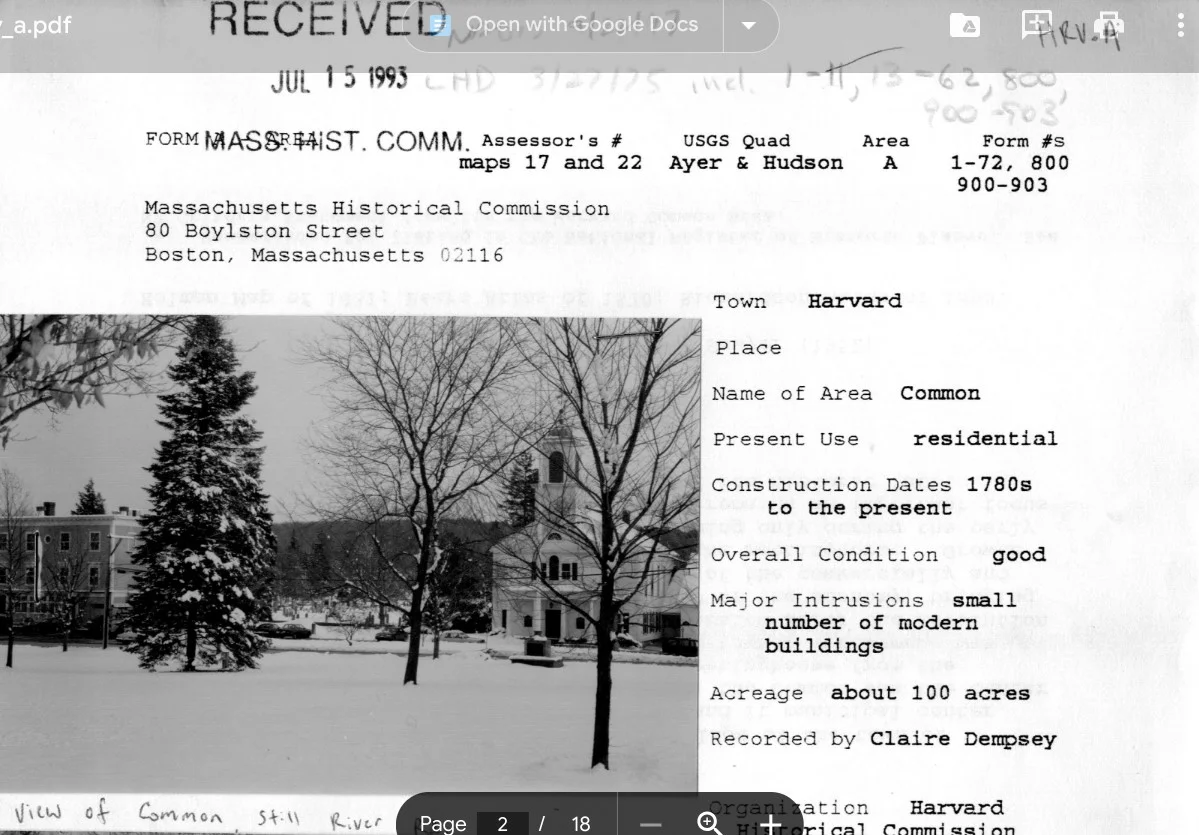
In the early 1970s, the town voted to preserve its historical assets by designating the Village Common and the Shaker Village area as historic districts, creating a legal mandate.
From our first settlers in 1668 to our citizens today, there continues a strong appreciation for the natural beauty in our town. From Bare Hill Pond to the panoramas of Still River, Prospect Hill, and Oak Hill, we are surrounded by a treasure of natural inspiration. Such natural beauty attracted the first settlers: traders, millers, and farmers; then later the industrialists, entrepreneurs, writers, artists, philosophers, and philanthropists. All with their individual gifts came to bequeath so much cultural wealth to our history.
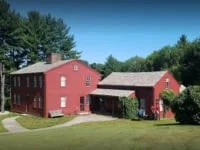
Appreciation for this wealth was very much alive in the early 1970s when the town voted to take action to preserve our town history by designating the Village Common and the Shaker Village as areas as historic districts, creating a legal mandate to protect our historical assets. The execution and enforcement of the conditions of the mandate are the purview of the Harvard Historical Commission. Information is on the town website.
By their architecture and the interesting, and sometimes colorful, biographies of their owners, our historical buildings reflect the values and circumstance of the times in which they were built. One former commissioner, Doug Coots, expressed this idea in his comment about one style, the expressive and imposing Italianate architecture of the post-Civil War period:
“Architecture as an industry, stylistically is always influenced by the economic climate in which it resides. The historic period following the Civil War was economically vibrant and progressive. The Union had been preserved, an awful institution had been abolished, the war effort had proven the value of Mass Production. The West Territories were soon to be connected to the East by rail. The Gilded Age inclined architects to look again to Europe, especially toward architectural periods which suggested power and success. The Italian Renaissance and the Villas which represented the agrarian foundations of a nation’s sustainability were a fitting aesthetic.”
One example in Harvard center is the Town Hall, built in 1872.
Another Italianate-style structure, which has not survived, was The Pergolas at the summit of Prospect Hill, built as a summer home by Clara Endicott Sears in 1912. Shortly after its construction, Sears bought adjacent land and began restoration of a farmhouse on the property that would begin her creation of Fruitlands Museums. Largely because of a lack of funds for its upkeep, The Pergolas was dismantled shortly after Sears’s death in 1960.
The Historical Commission has no real authority over private homes outside the two protected districts. However, in 2025, the town voted to approve a Demo Delay bylaw for the commission that stipulates a process a homeowner must go through before demolishing a home more than seventy-five years old, a step toward protecting the town’s historical character. The residents of Harvard continue to have a vested interest in preserving Harvard’s historical buildings and, by extension, its rich history.
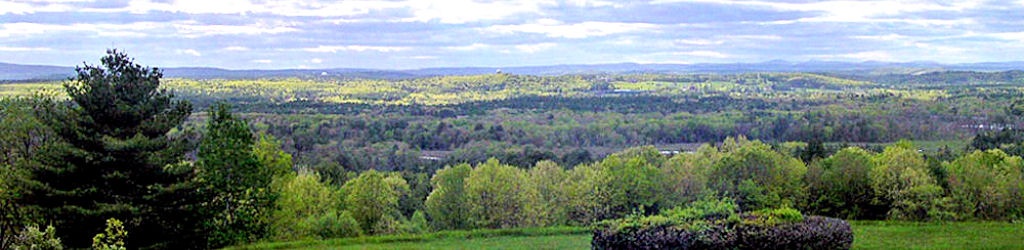
A view of Prospect Hill from where pergolas used to be
More related to Harvard buildings...
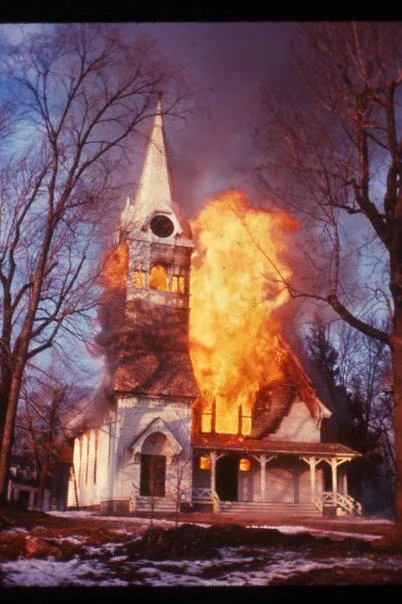
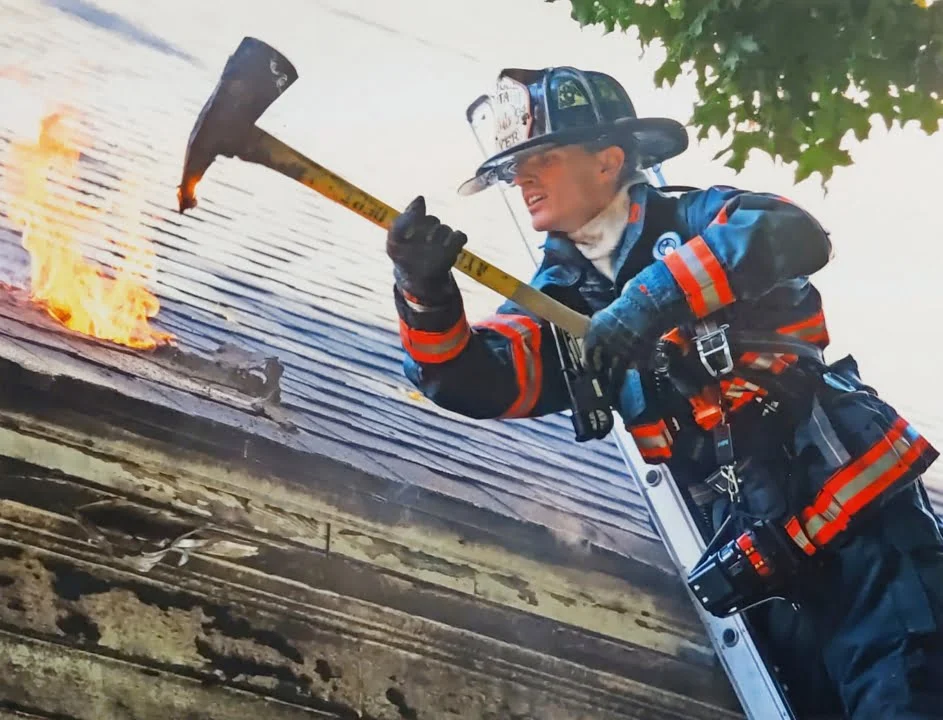
Unitarian Church Fire December 13, 1964
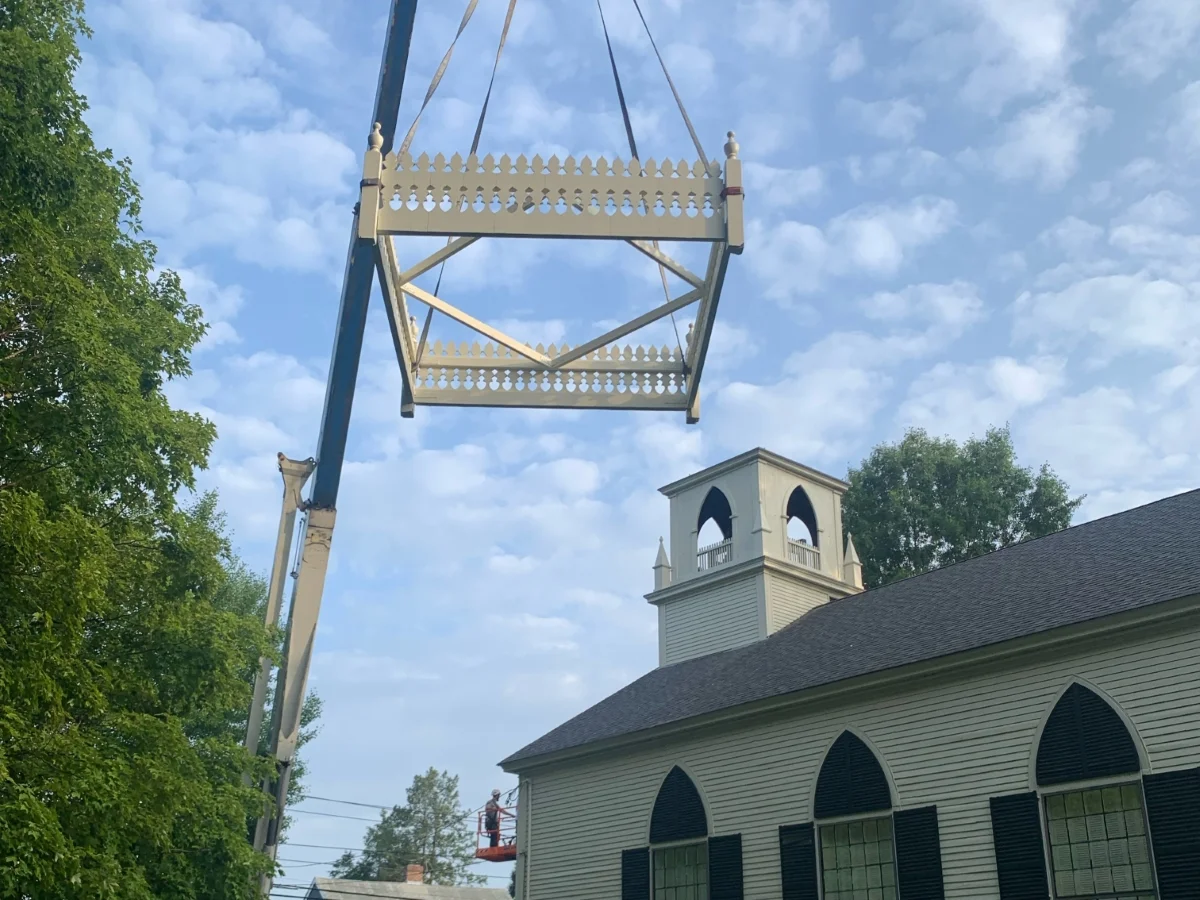
Harvard Historical Society Completes Balustrade Restoration
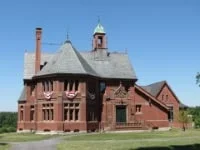
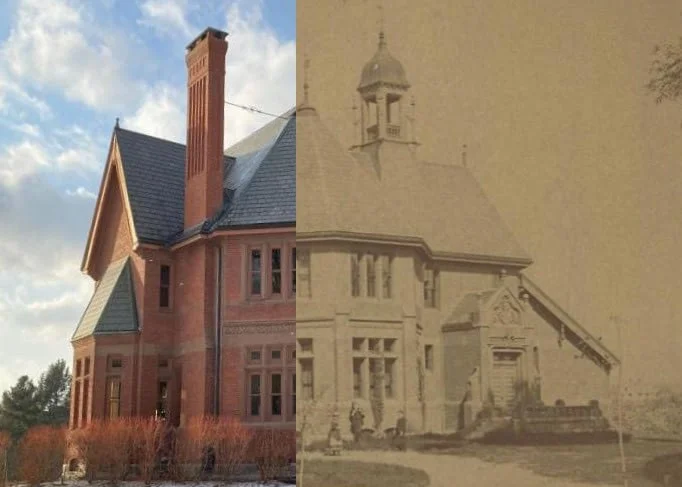
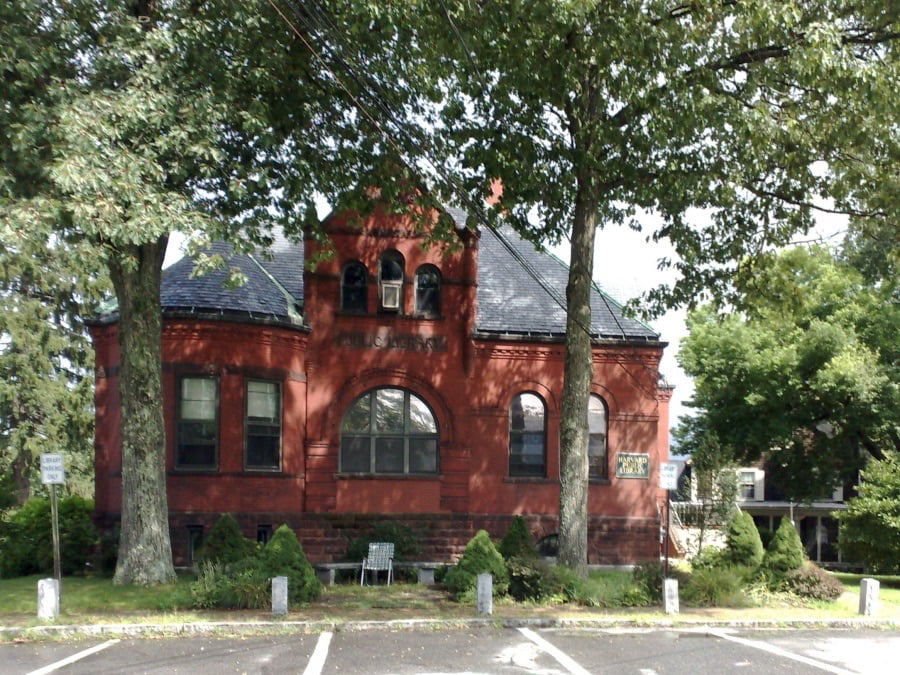
The Old Harvard Public Library on the Common now Fivesparks
Fire at the Meeting House
Historic House Renovation

May 9, 2024
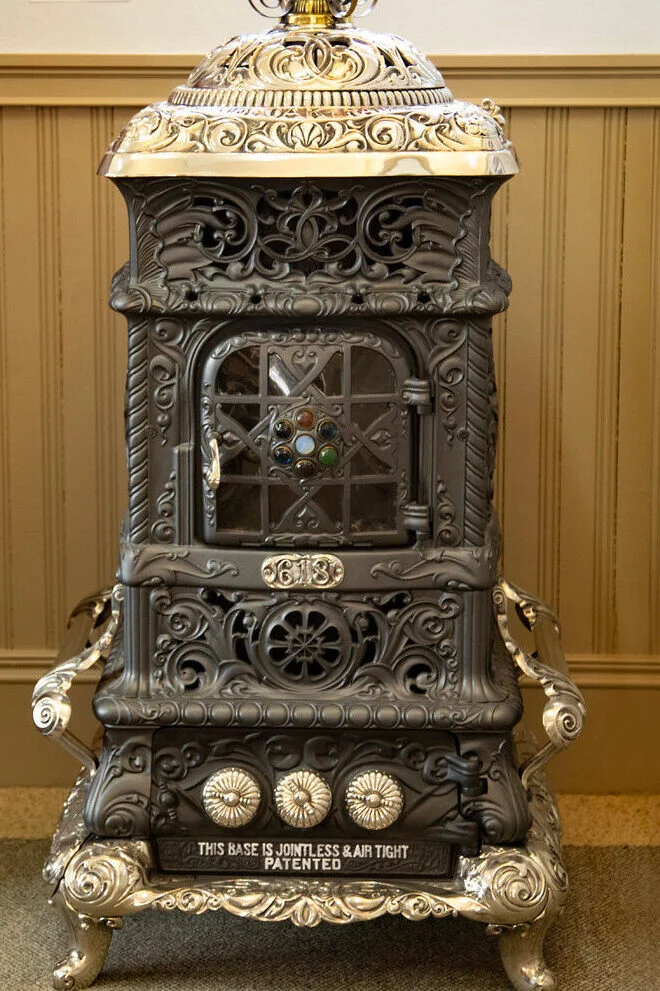
The Antique Stove at the former Harvard Public Library building, now Fivesparks
The Old Bromfield School

Oak Ridge Observatory

See all...