Harvard Historical Society
Discover Your Town
Harvard Shaker History
A new book about the Harvard ShakersWas on
Thursday May 21, 2026
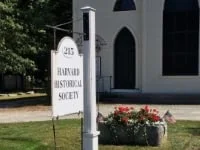
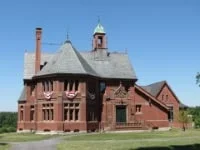
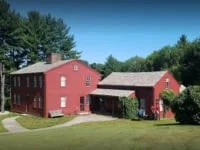
At the Harvard Historical Society, 215 Still River Road, Harvard MA 01451
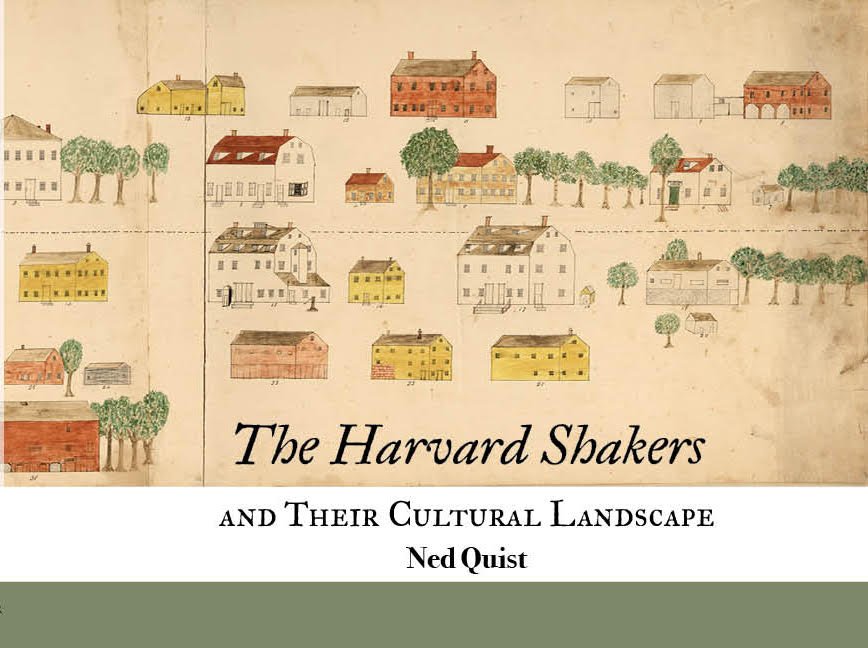
Ned Quist introduces his new and comprehensive book about the Harvard Shaker Village with an illustrated talk.
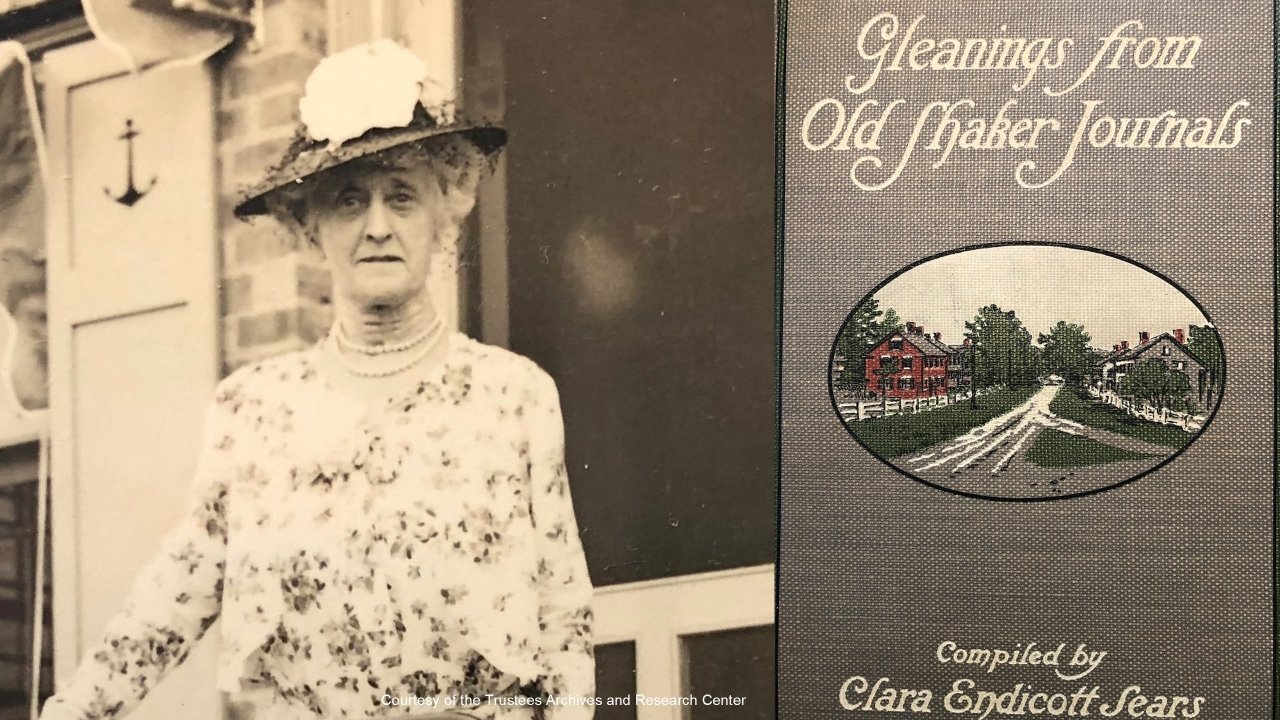
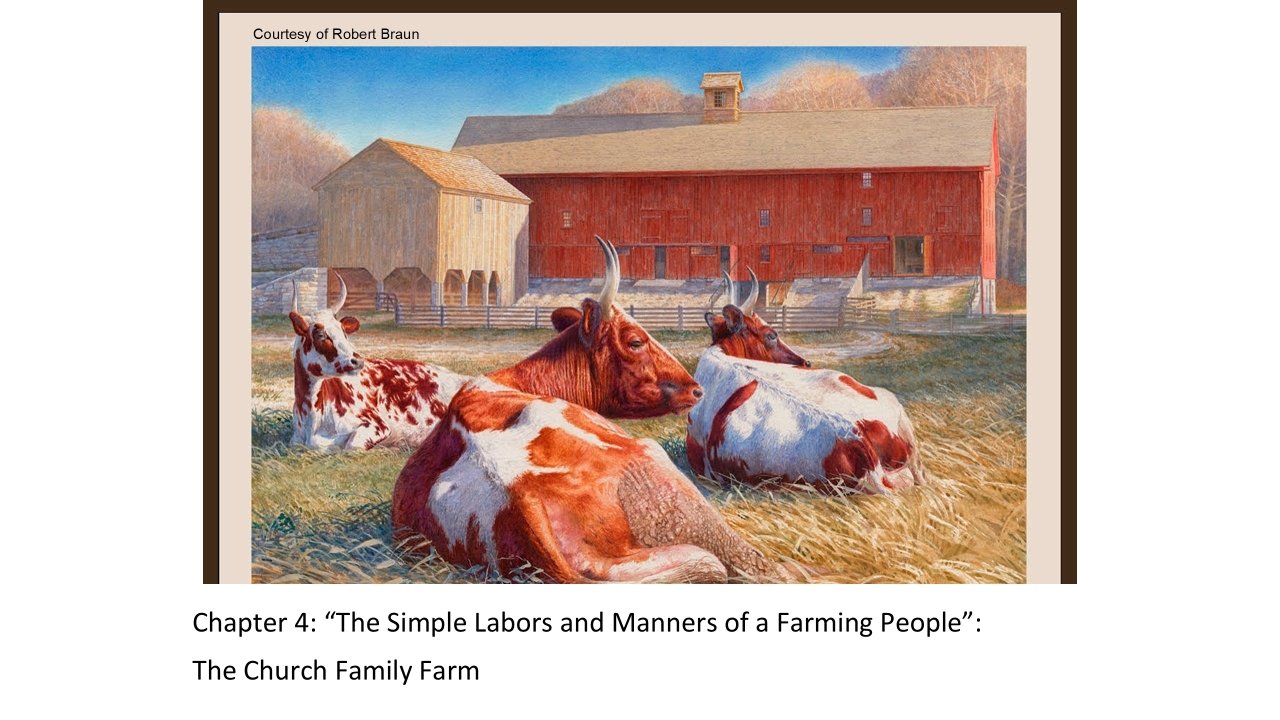
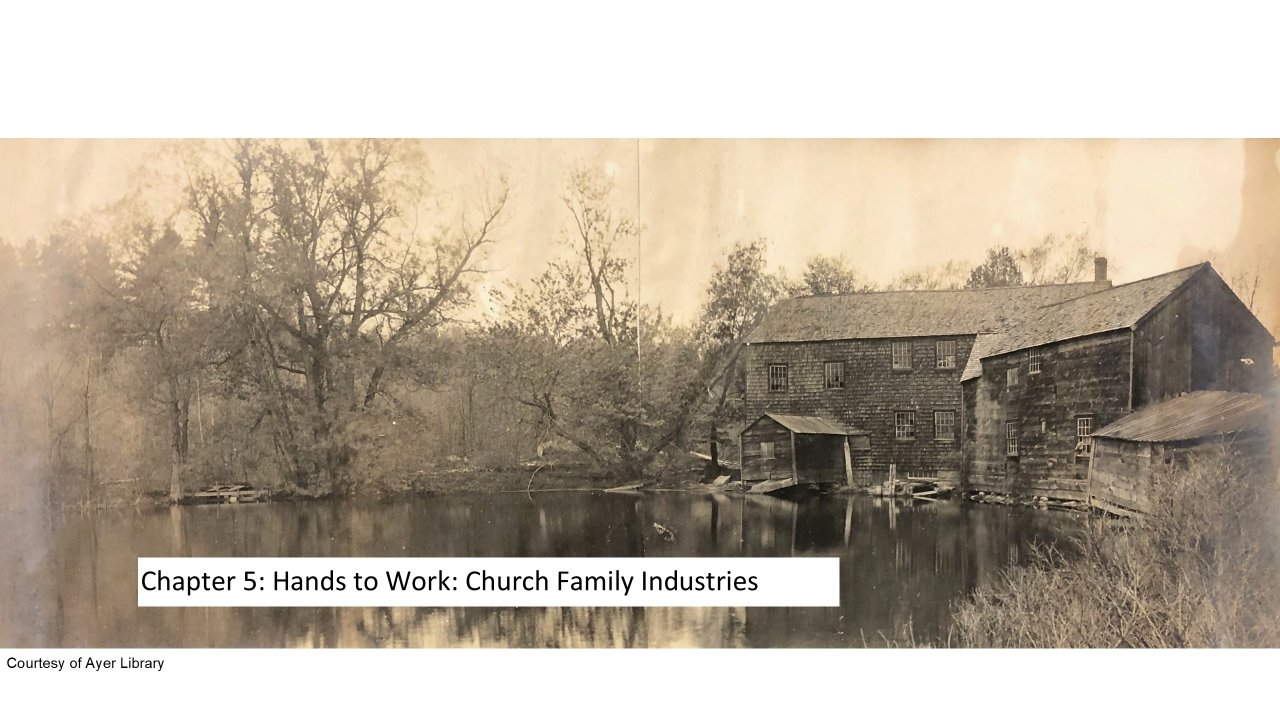
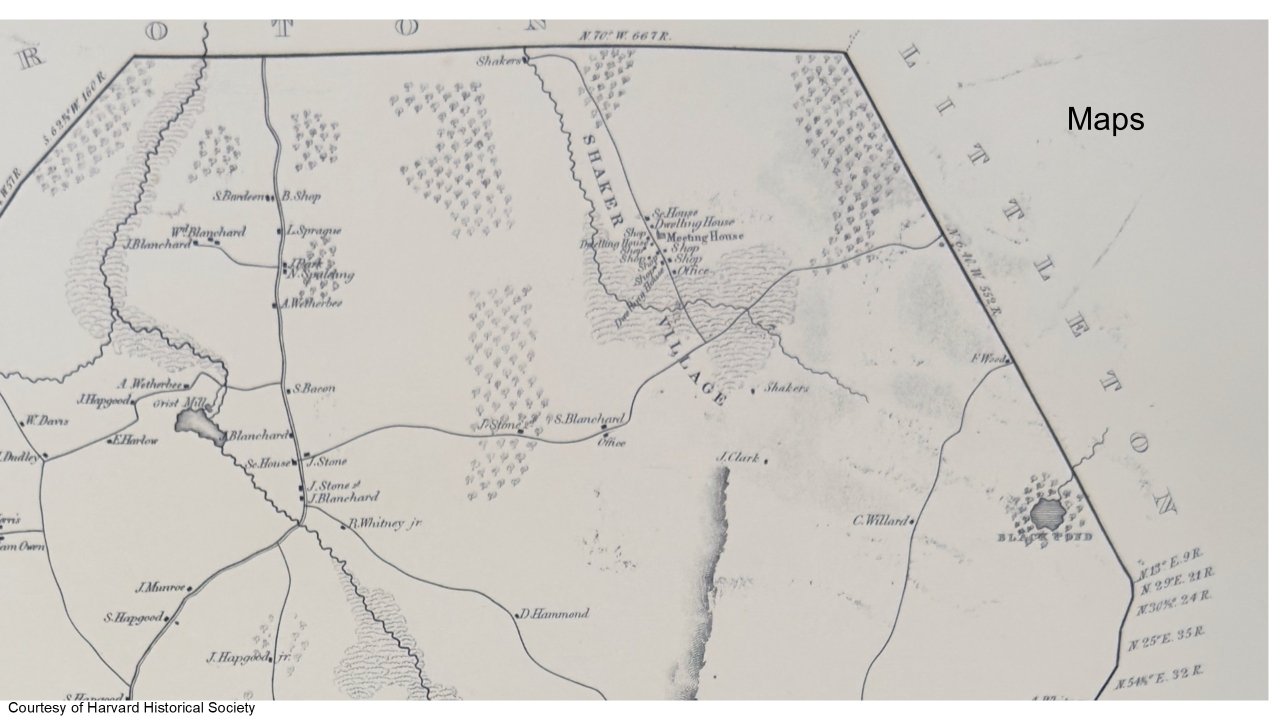
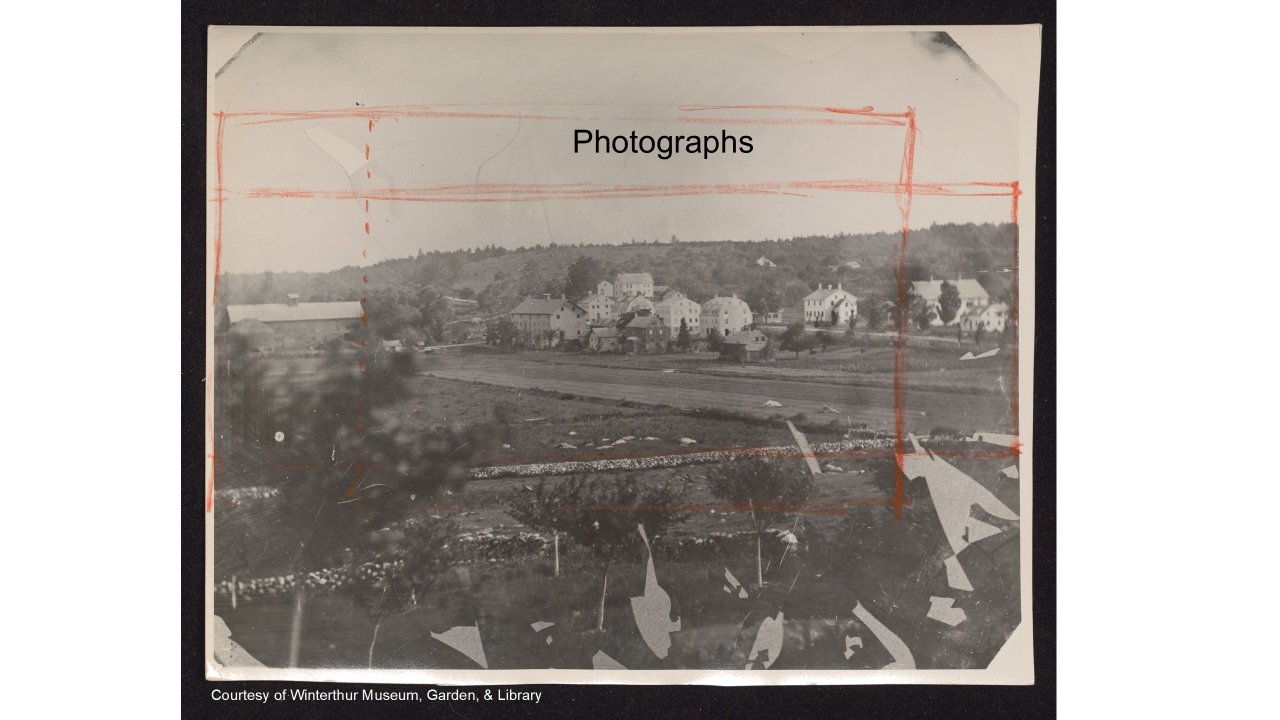
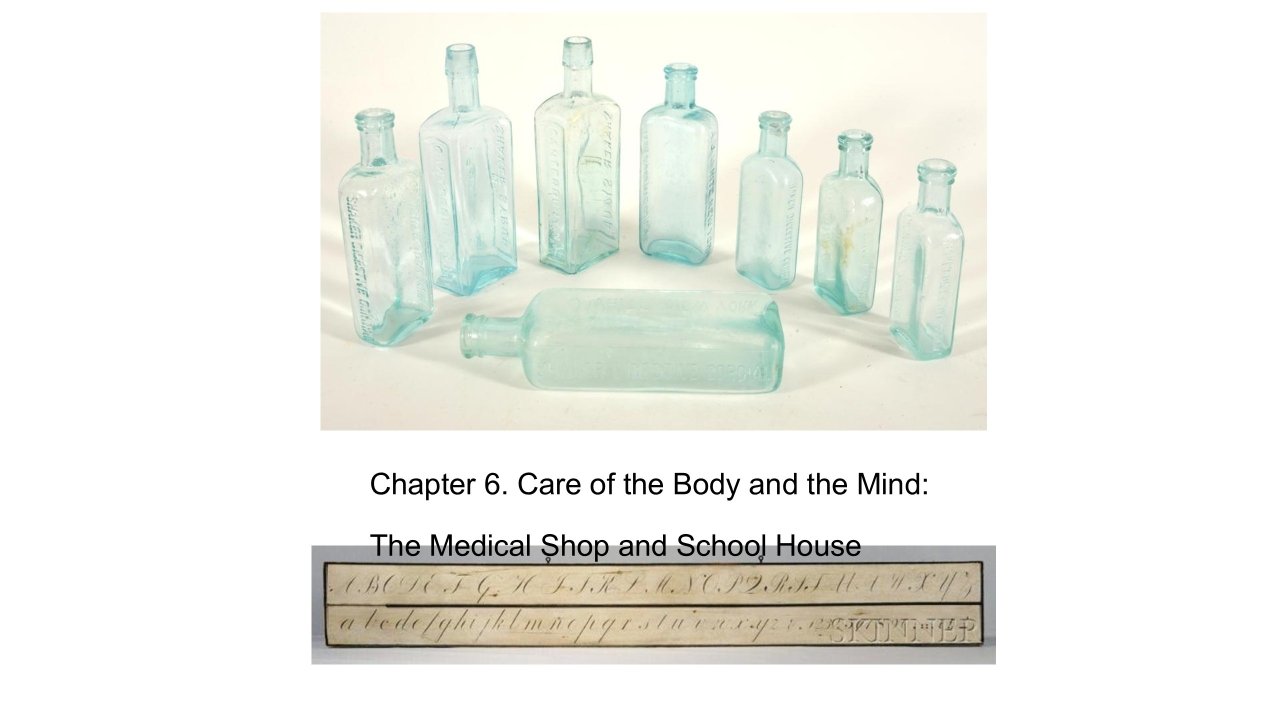
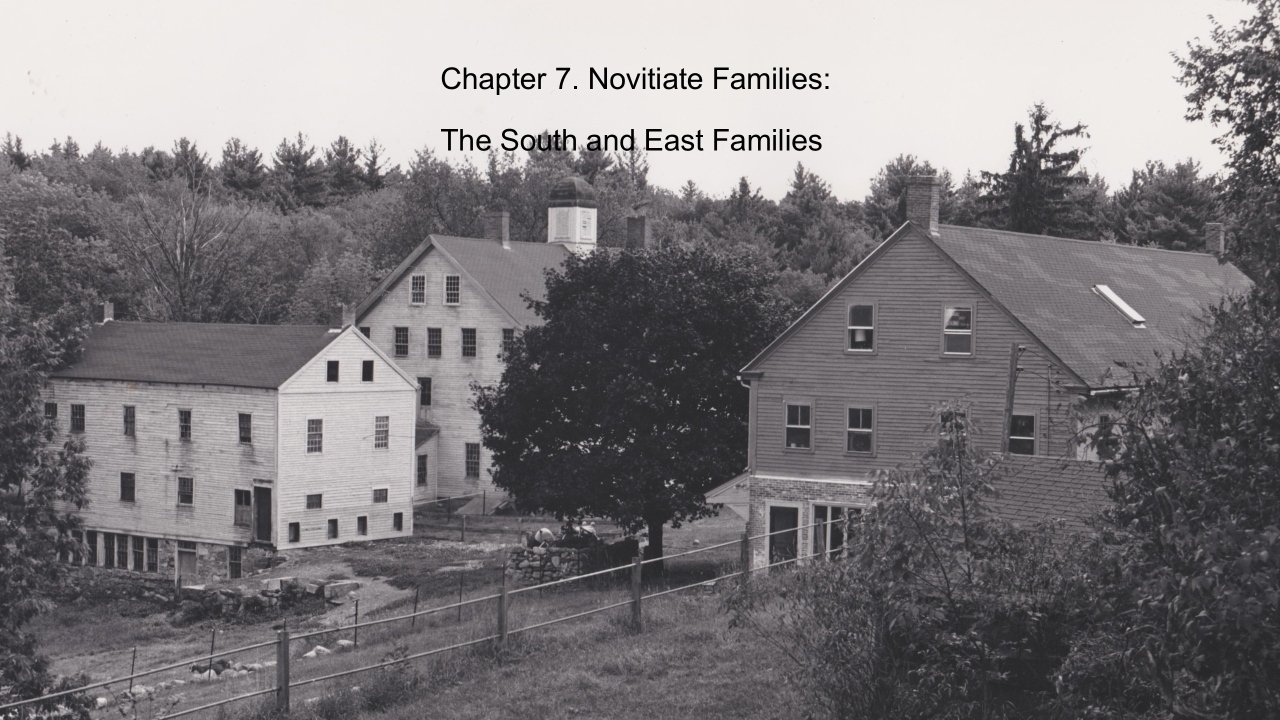
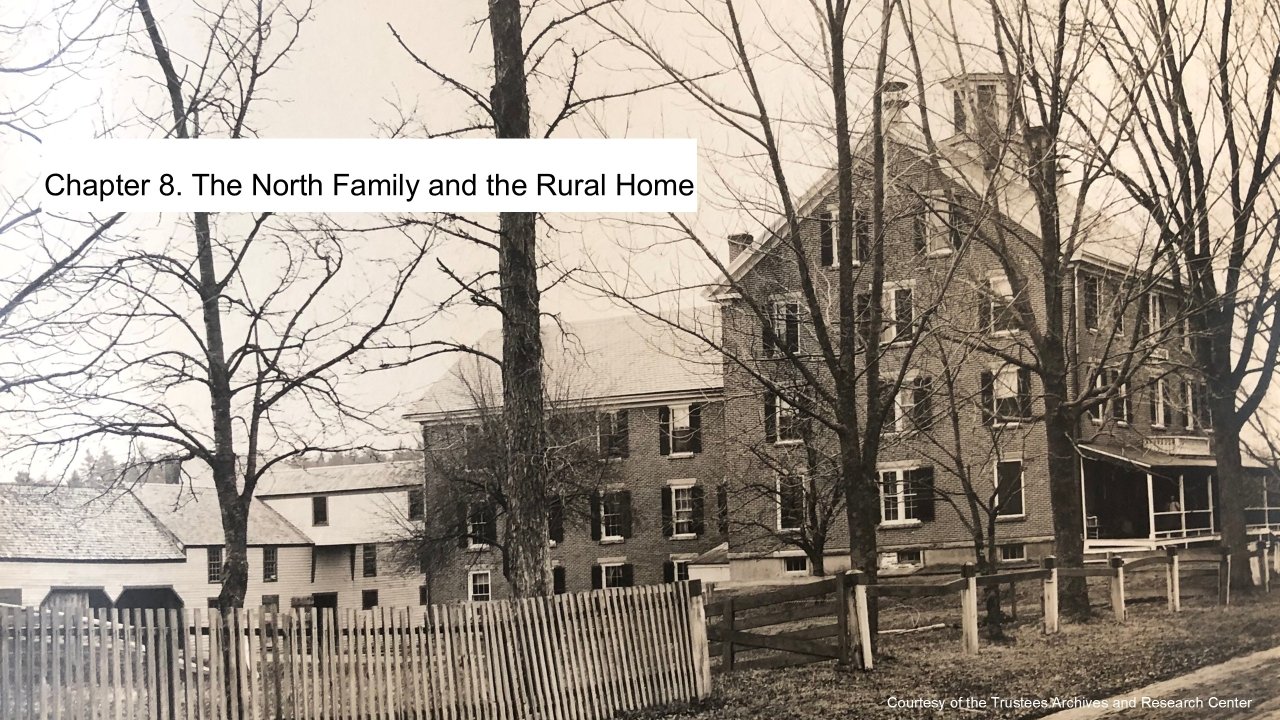
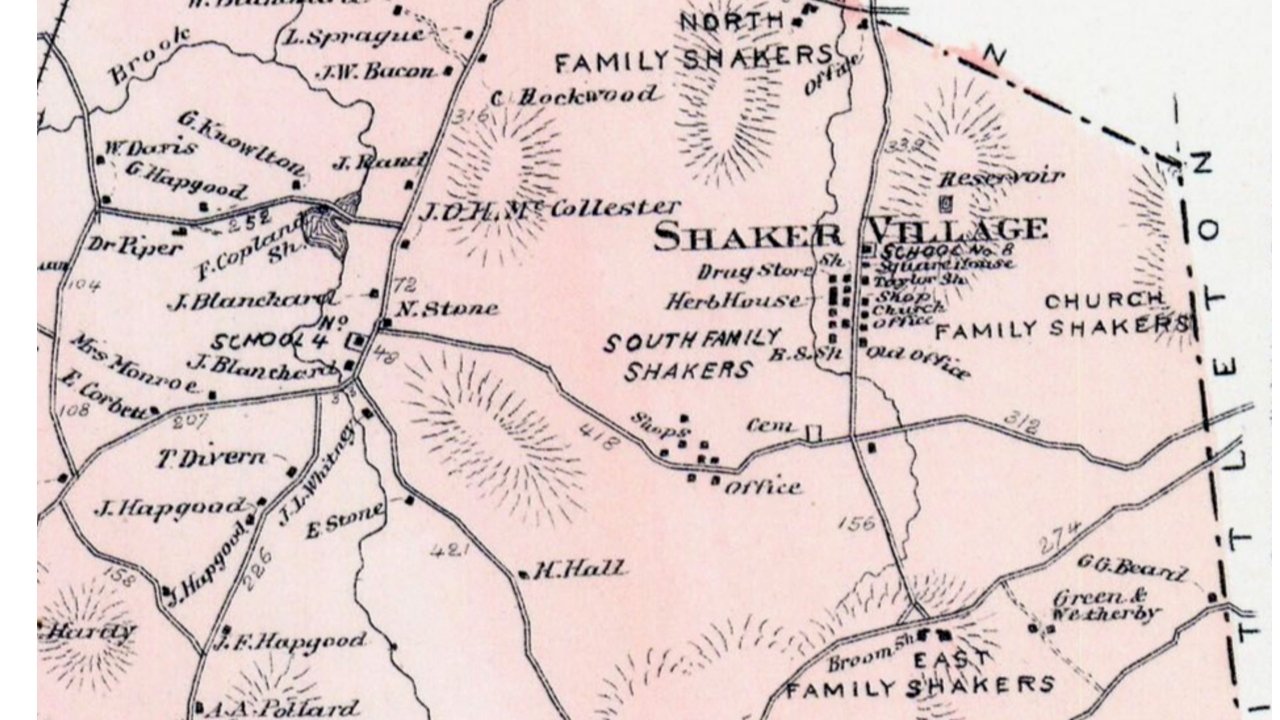
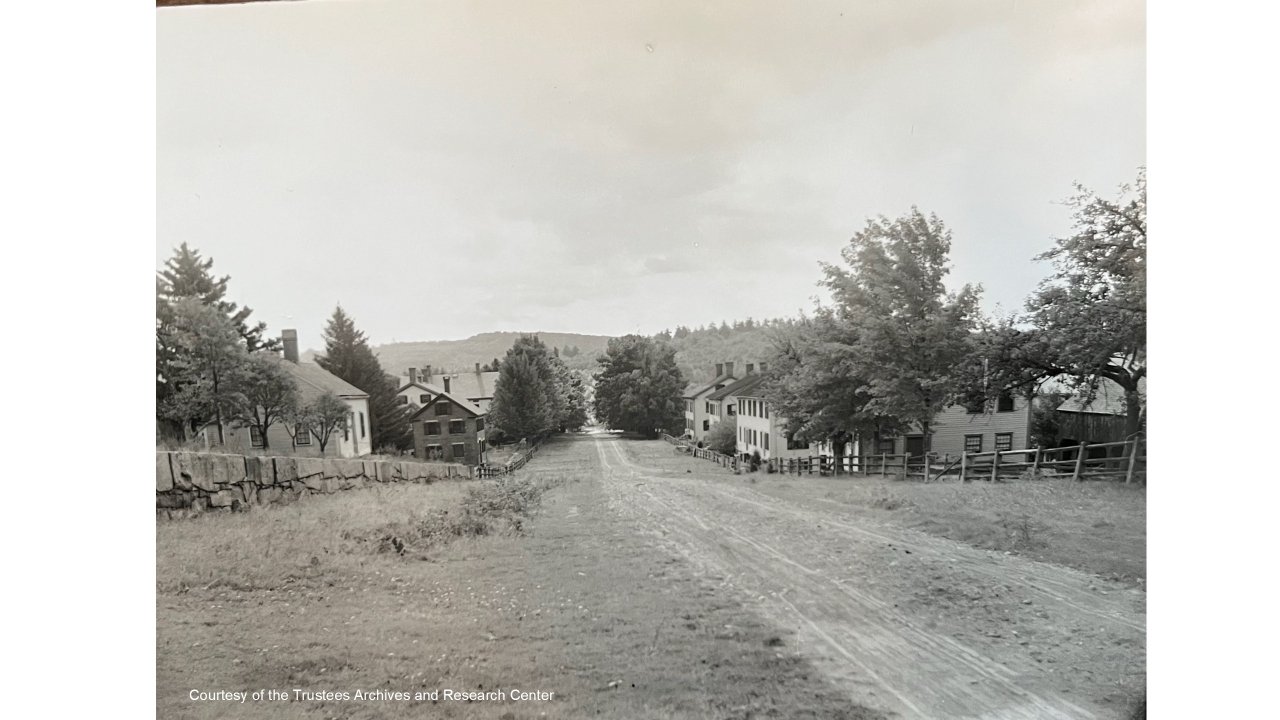
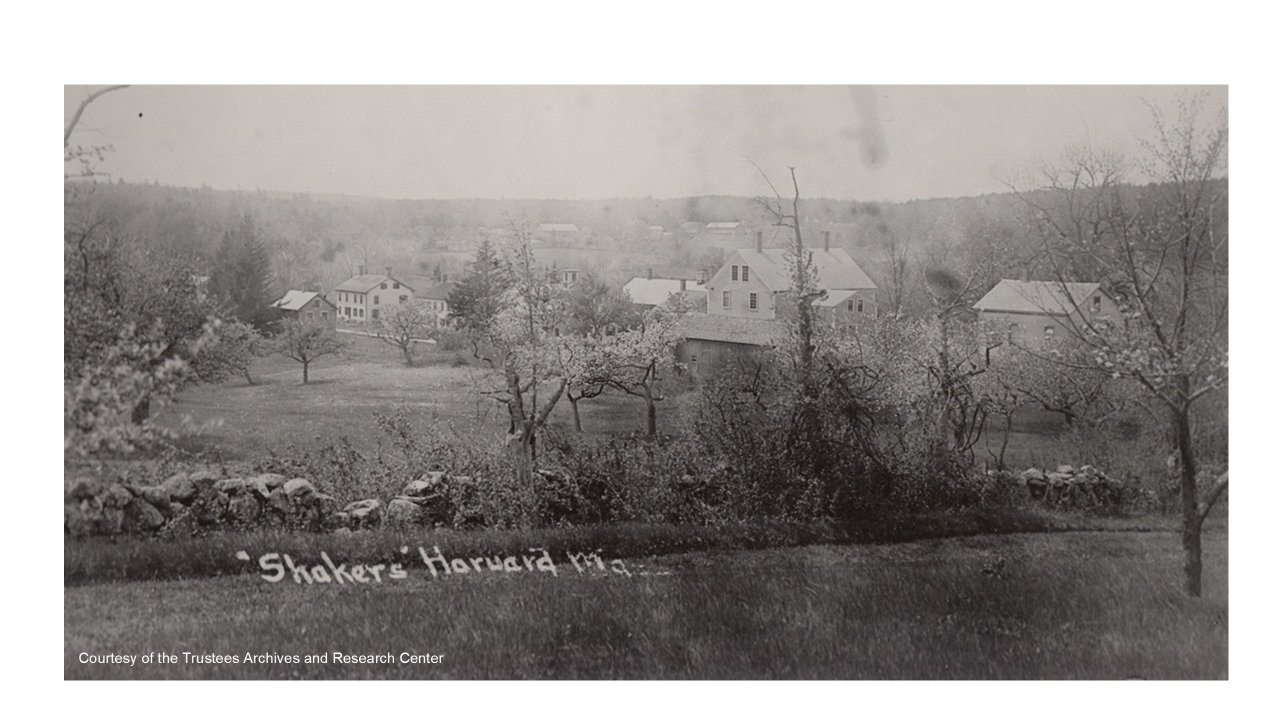
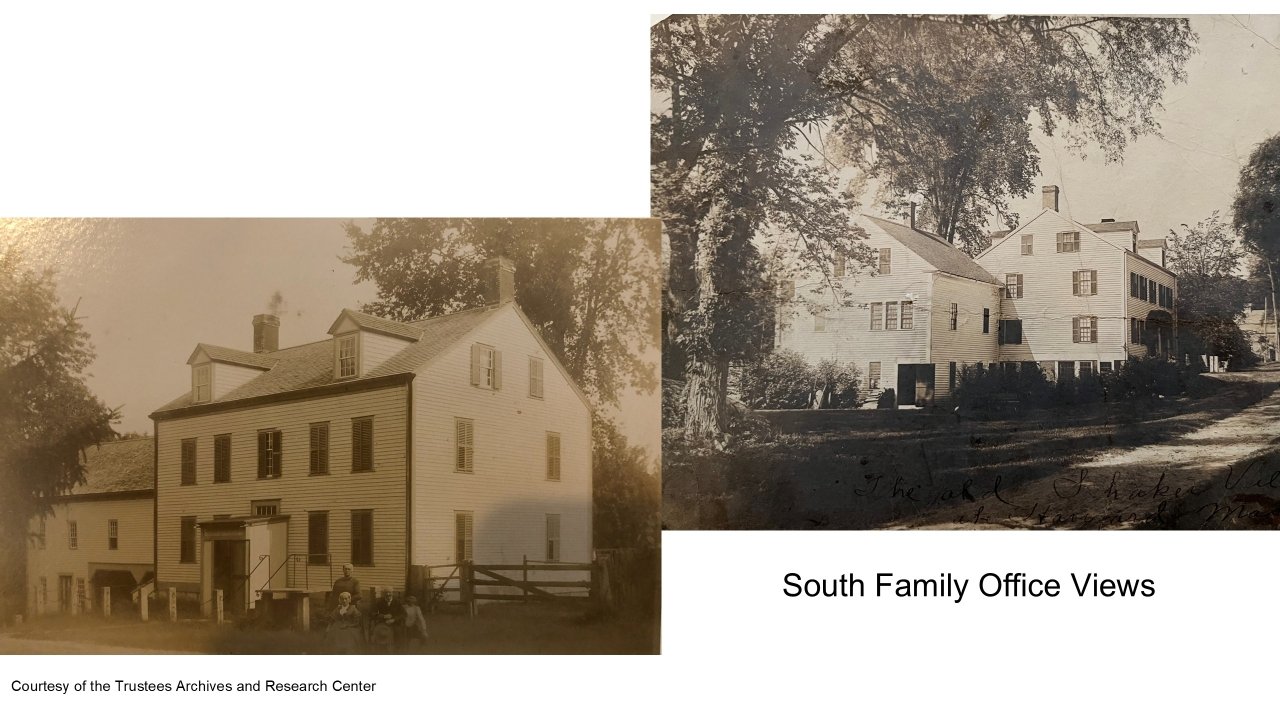
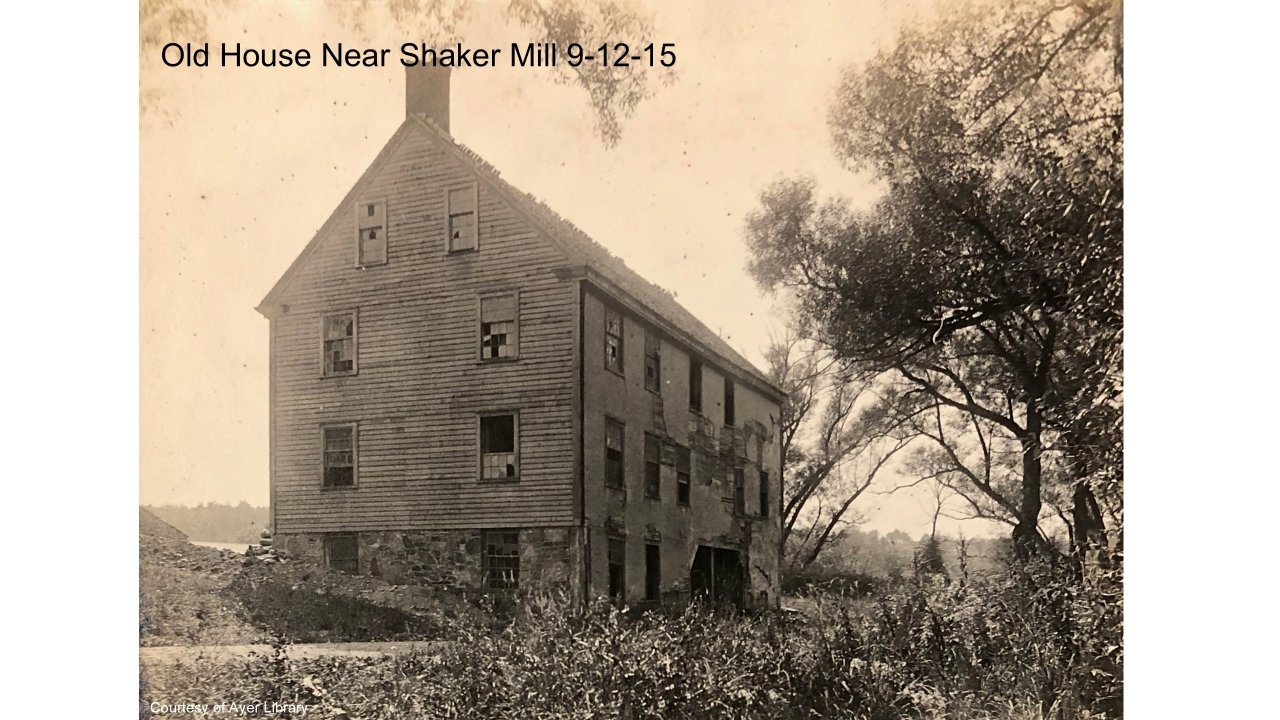
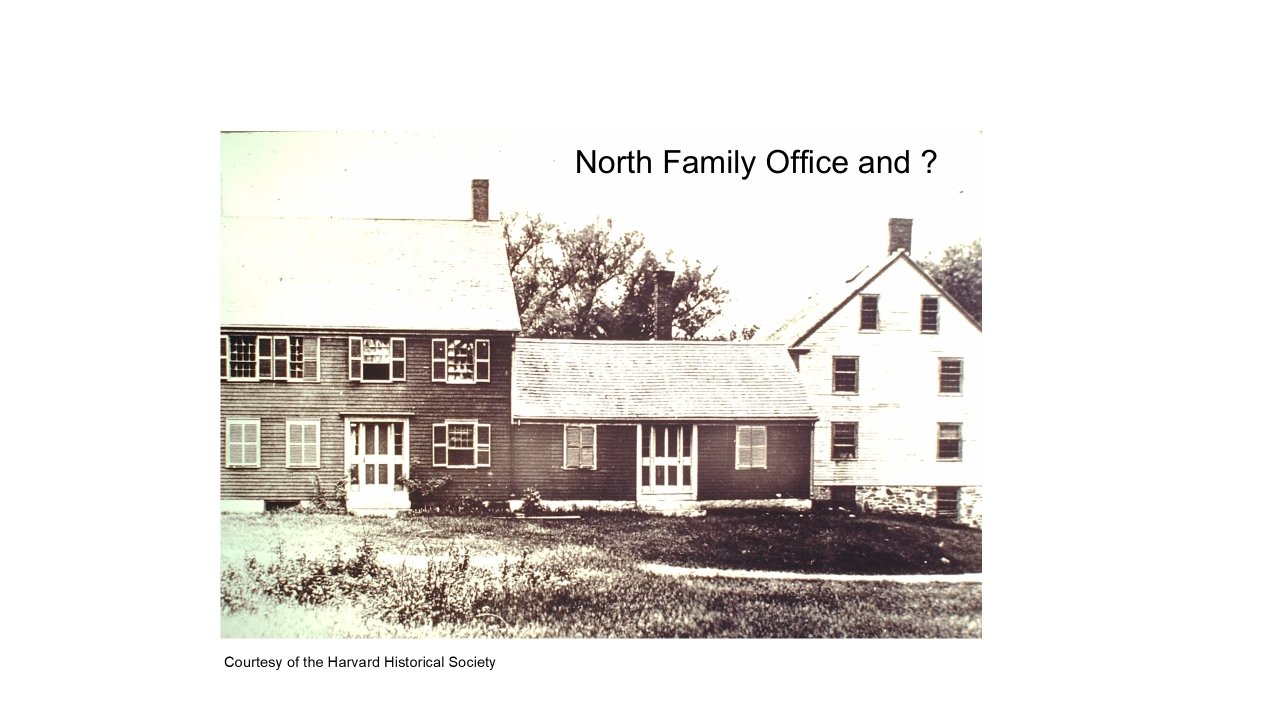
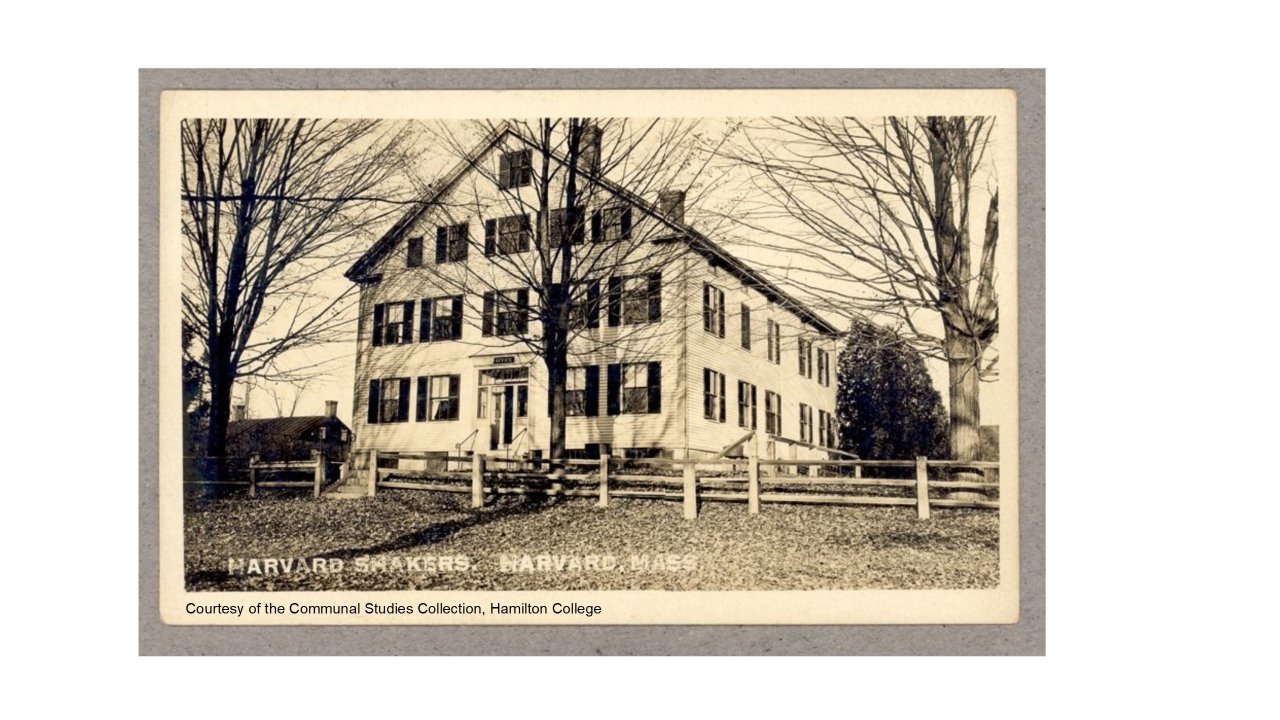
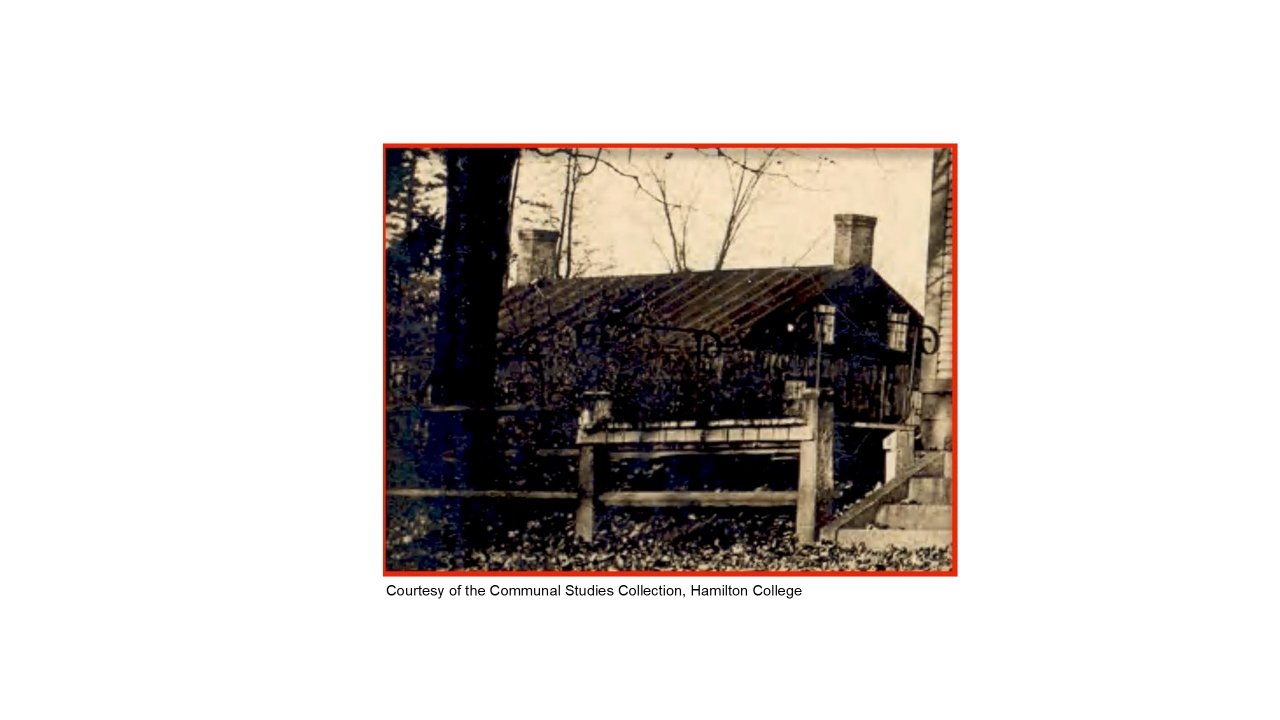
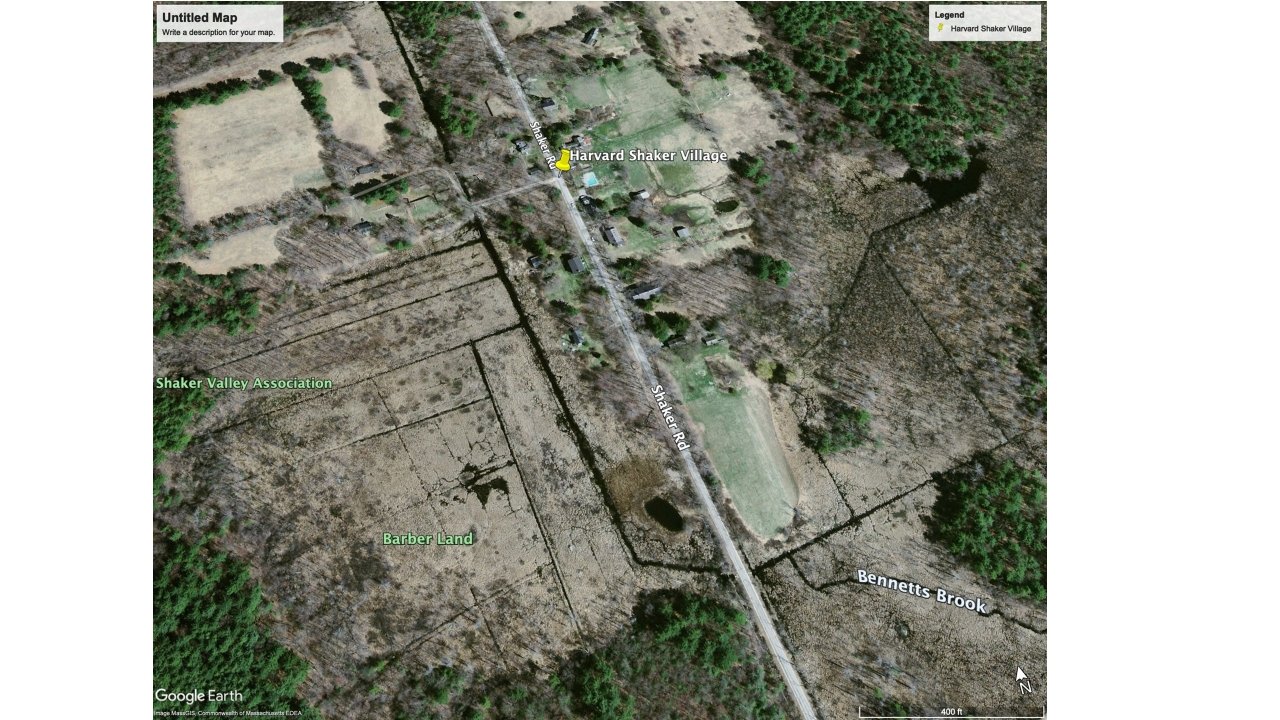
In this program, Ned tells about his new book, The Harvard Shakers and Their Cultural Landscape, his research, and uses a collection of images and evidence from Shaker Journals, to present a full picture of the Harvard Shakers. The book is illustrated with many beautiful pictures and maps.
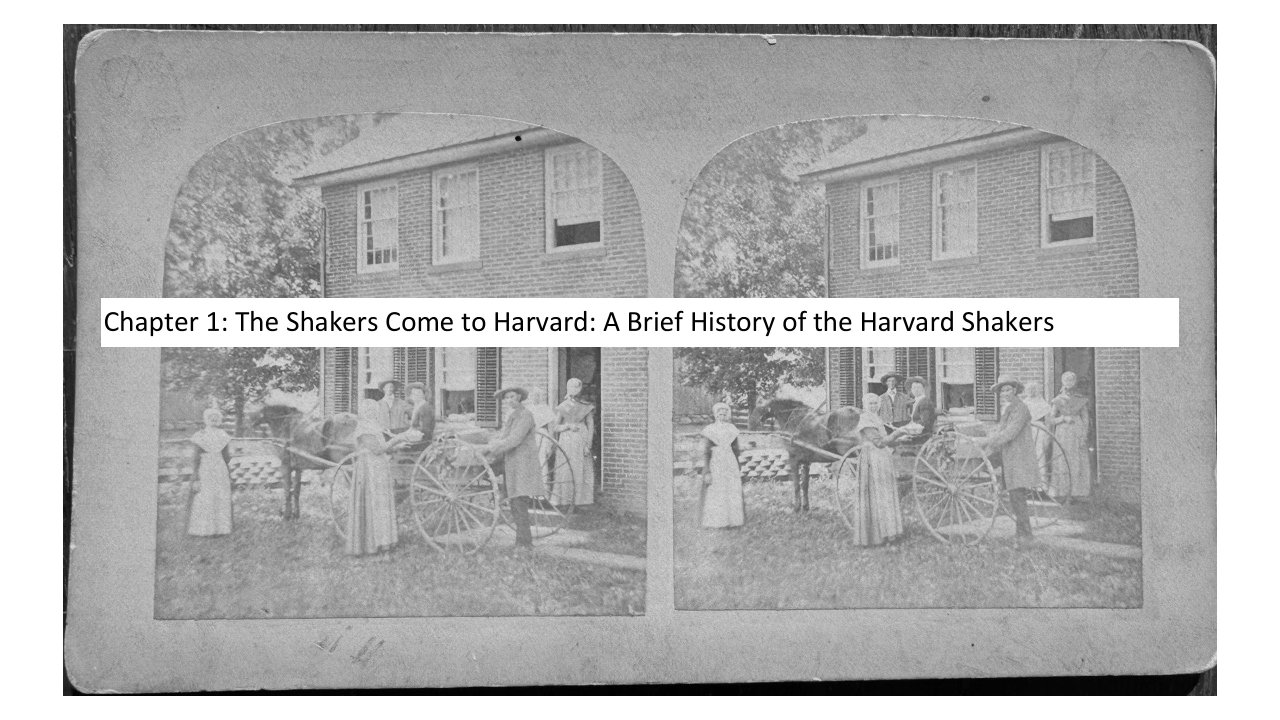
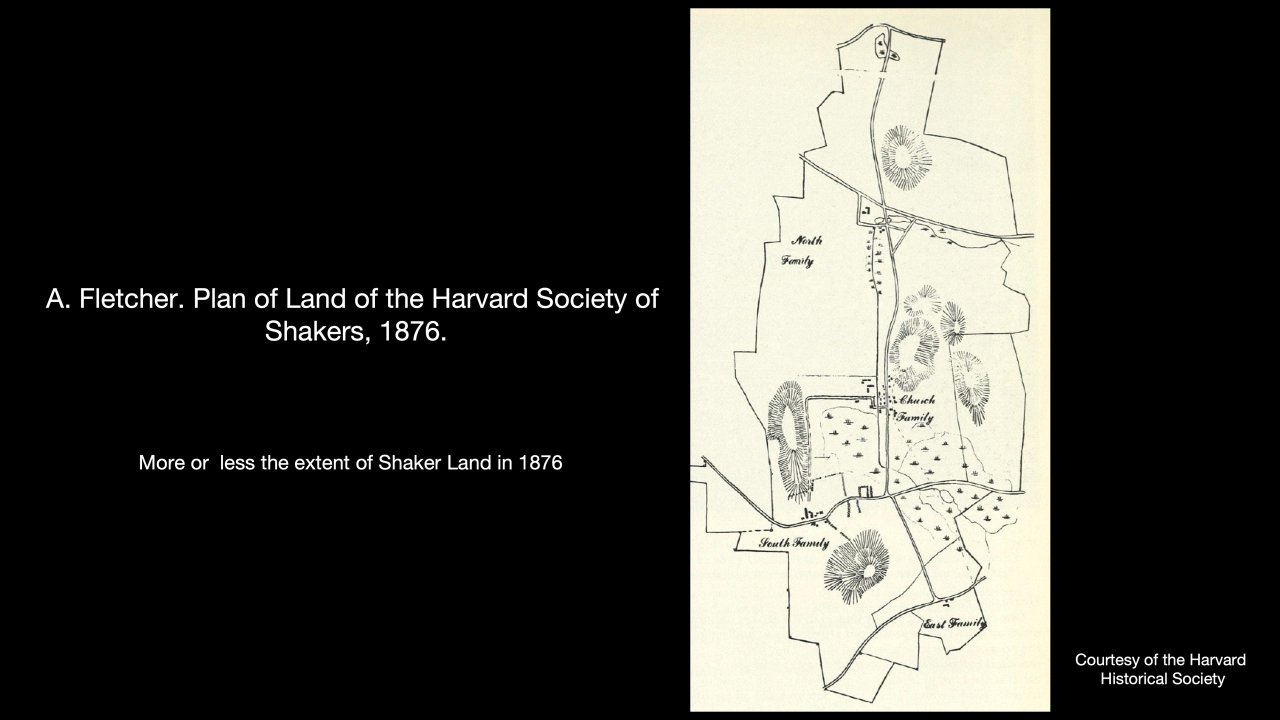
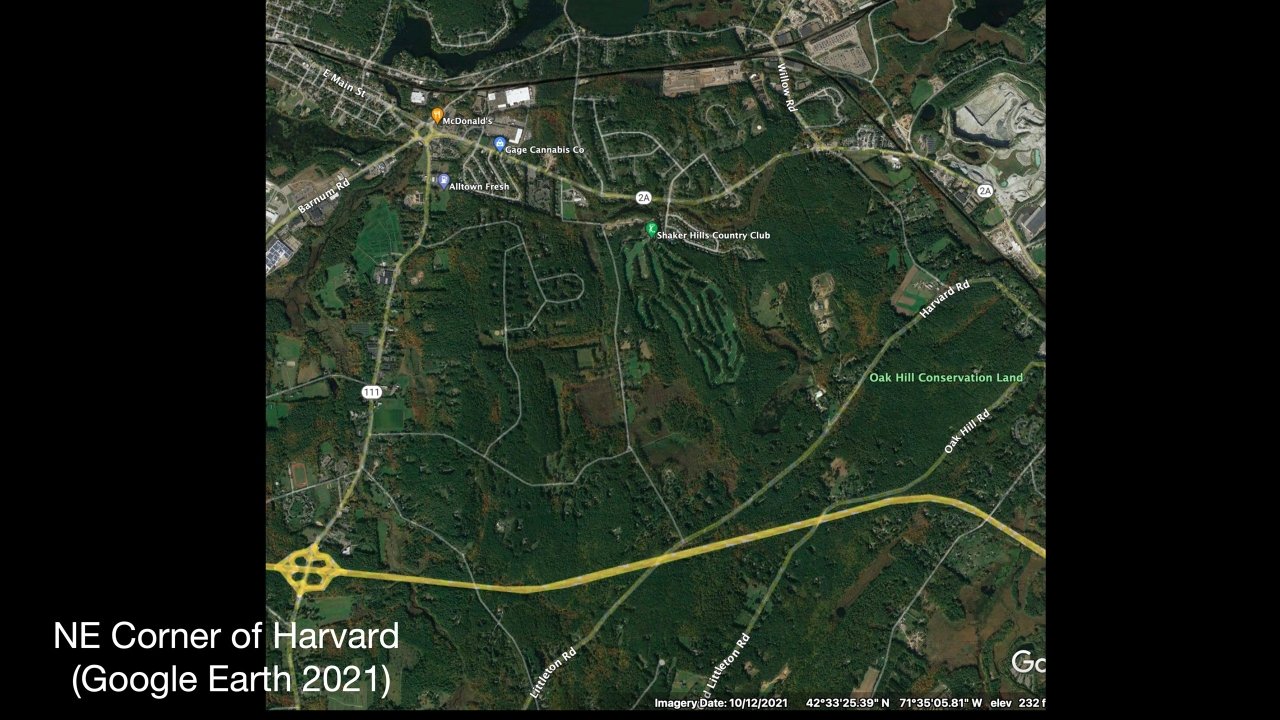
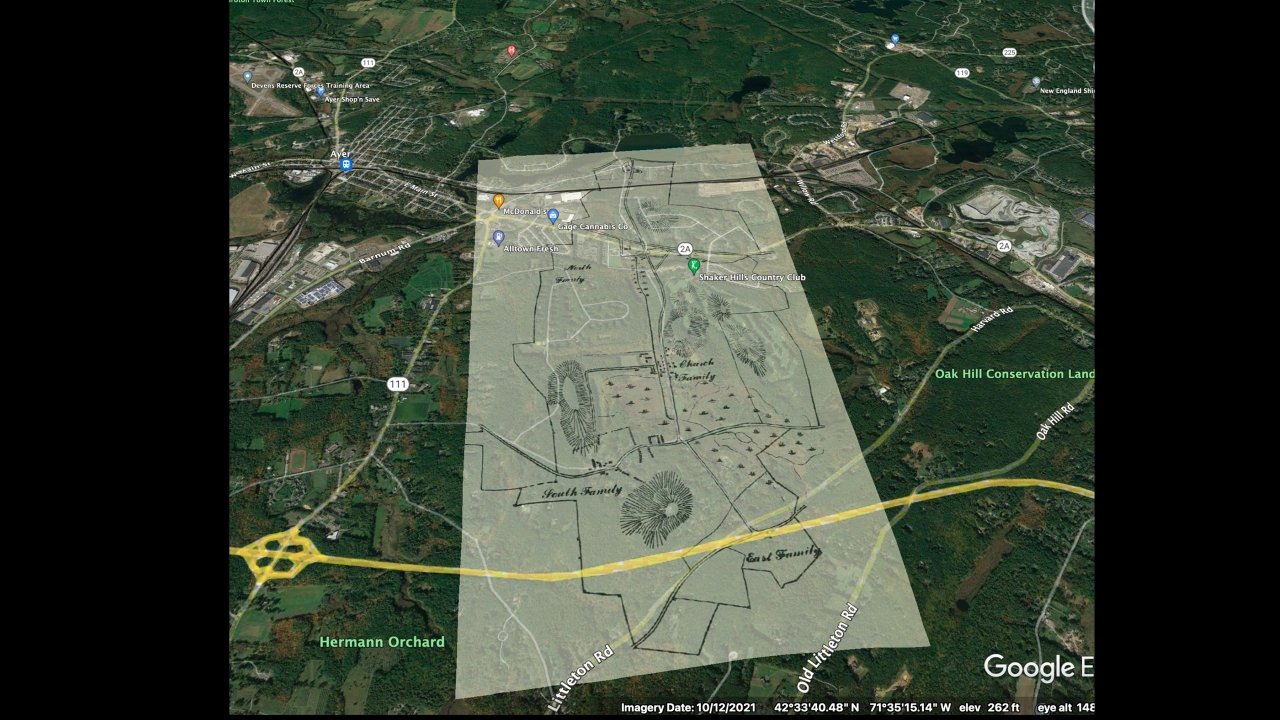
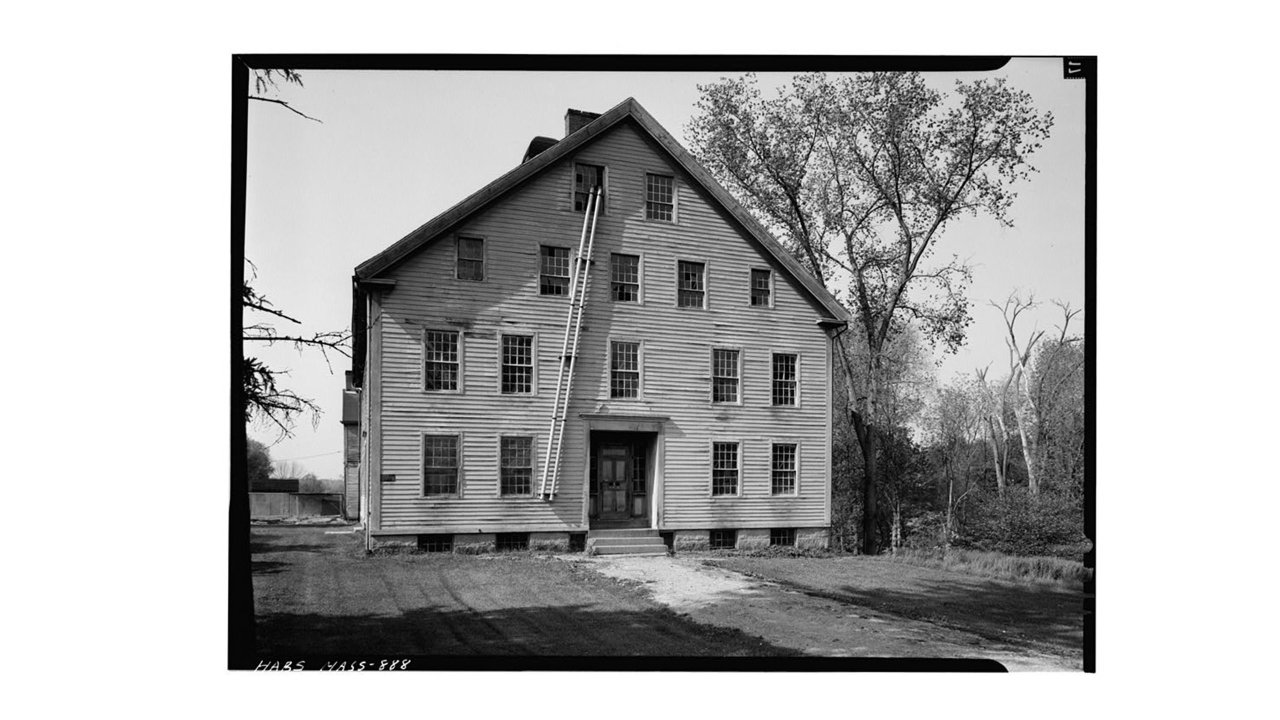
After Mother Ann Lee came to Harvard, this communal society established four farms in the northeastern part of Harvard and in neighboring Ayer and Littleton. Their membership in the nineteenth century grew to as many as 180 Believers living and working in over eighty buildings on more than three thousand acres. Despite scant water resources, and poor-quality crop lands, their creative management, along with plentiful timber, left behind not only eleven surviving buildings, but numerous signs on the landscape of their skill and perseverance. Ned Quist uses documentary evidence and the landscape itself to tell the story of this remarkable cultural landscape.
Ned Quist is a retired academic librarian, having spent his career as a music librarian and library administrator at the Peabody Institute of the Johns Hopkins University and Brown University. In addition to his interest in Shaker studies, he builds reproduction Shaker- and Arts and Crafts-style furniture in his basement in Warwick, Rhode Island.

This program is offered by the Harvard Historical Society as part of the Hidden Treasures Festival of Nature, Culture & History, an annual month-long celebration showcasing events and activities hosted by local partners celebrating the unique places, objects, and stories of the Freedom’s Way National Heritage Area. Hidden Treasures programs are free and open to the public.
Watch Ned's full presentation
1 hour 3 minutes
Thanks to the Harvard Media Cooperative (HMC, previously HCTV) for recording this event.
Presentation Slides


Article from the Harvard Press by
Published: May 15, 2026

Author Ned Quist. (Courtesy photo)
For eight years, retired academic librarian Ned Quist has been a frequent visitor from Rhode Island to Harvard Shaker Village, discovering cellar holes, solving mysteries, and taking photos. His efforts have resulted in a book: “The Harvard Shakers and their Cultural Landscape.” Quist will talk about his book at the Harvard Historical Society Thursday, May 21, at 7 p.m., in the meetinghouse, 215 Still River Road.
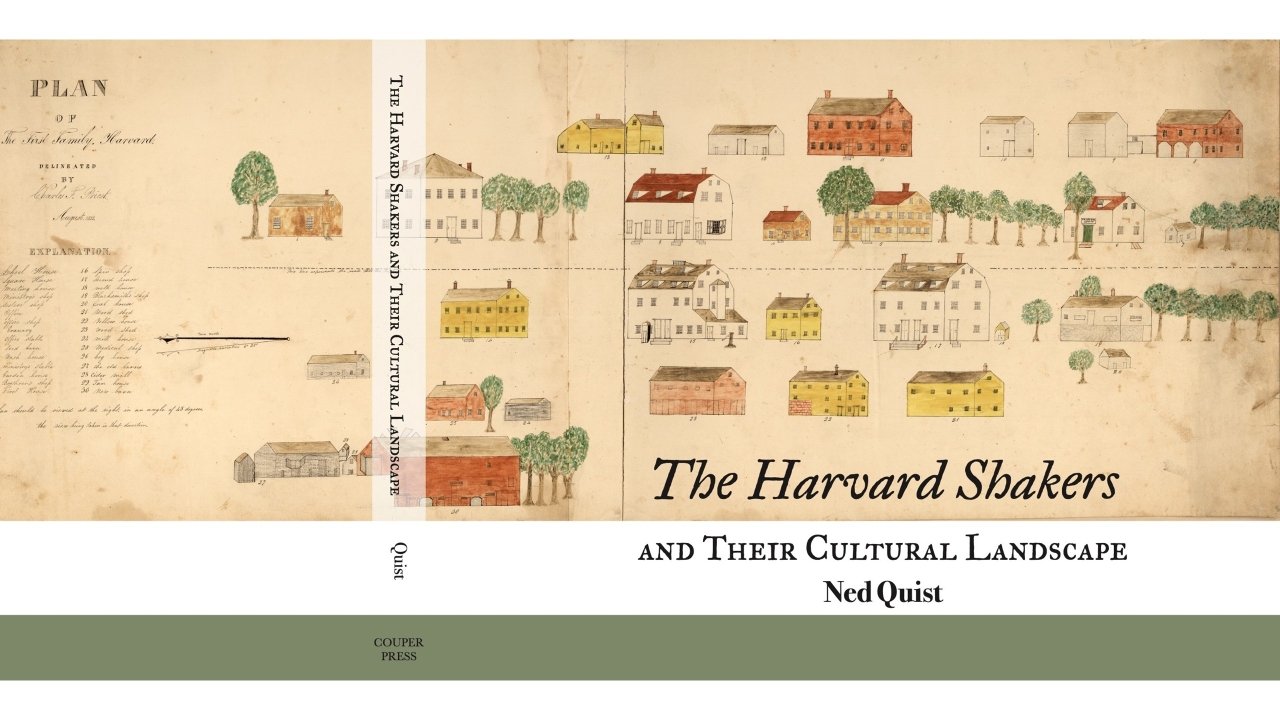
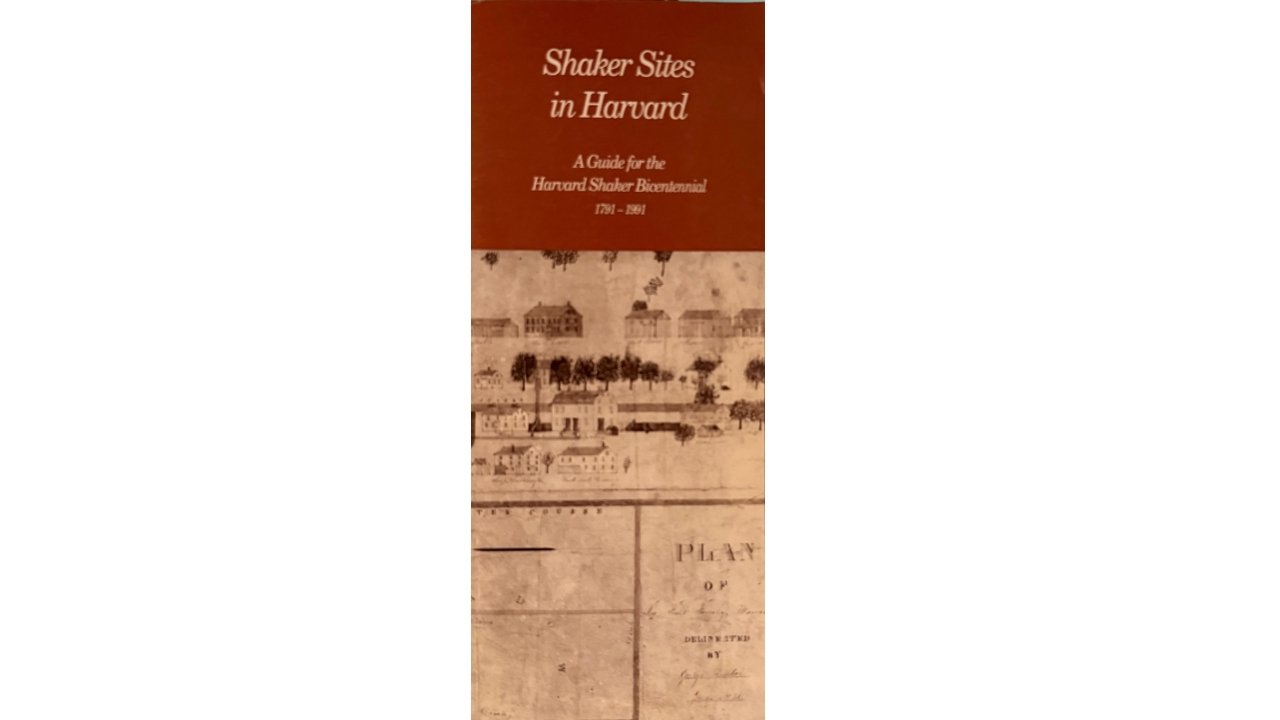
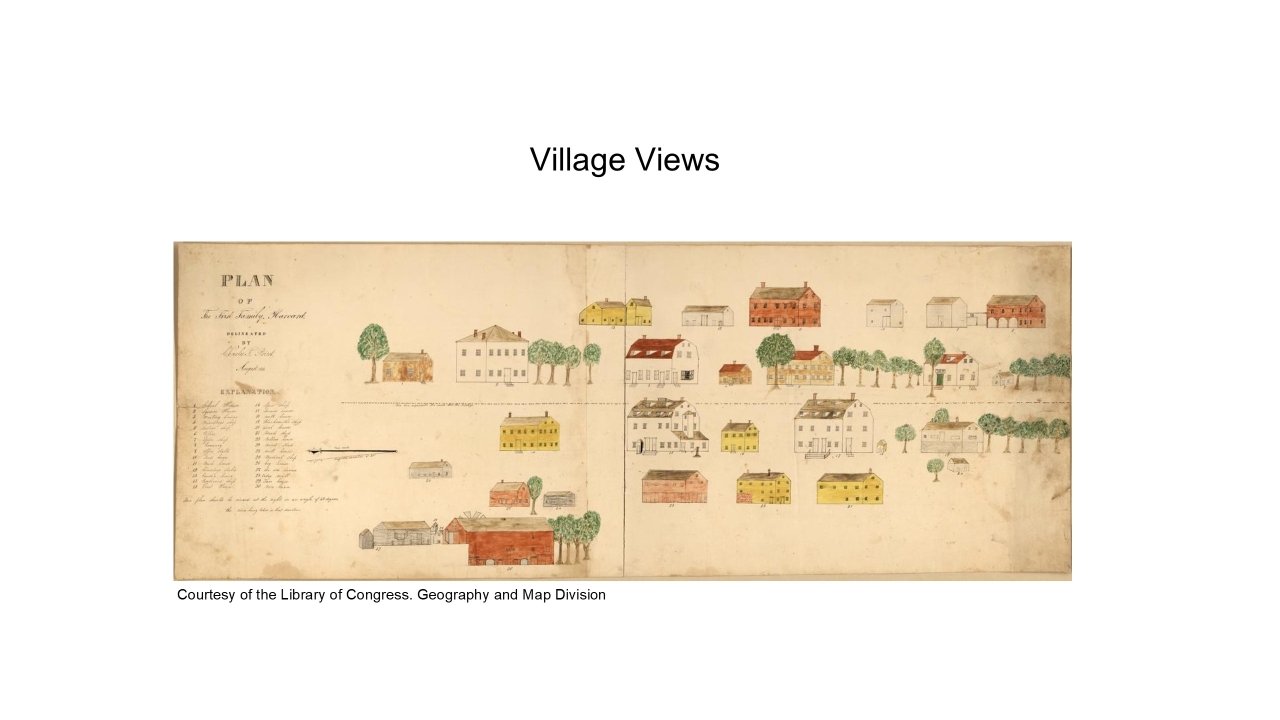
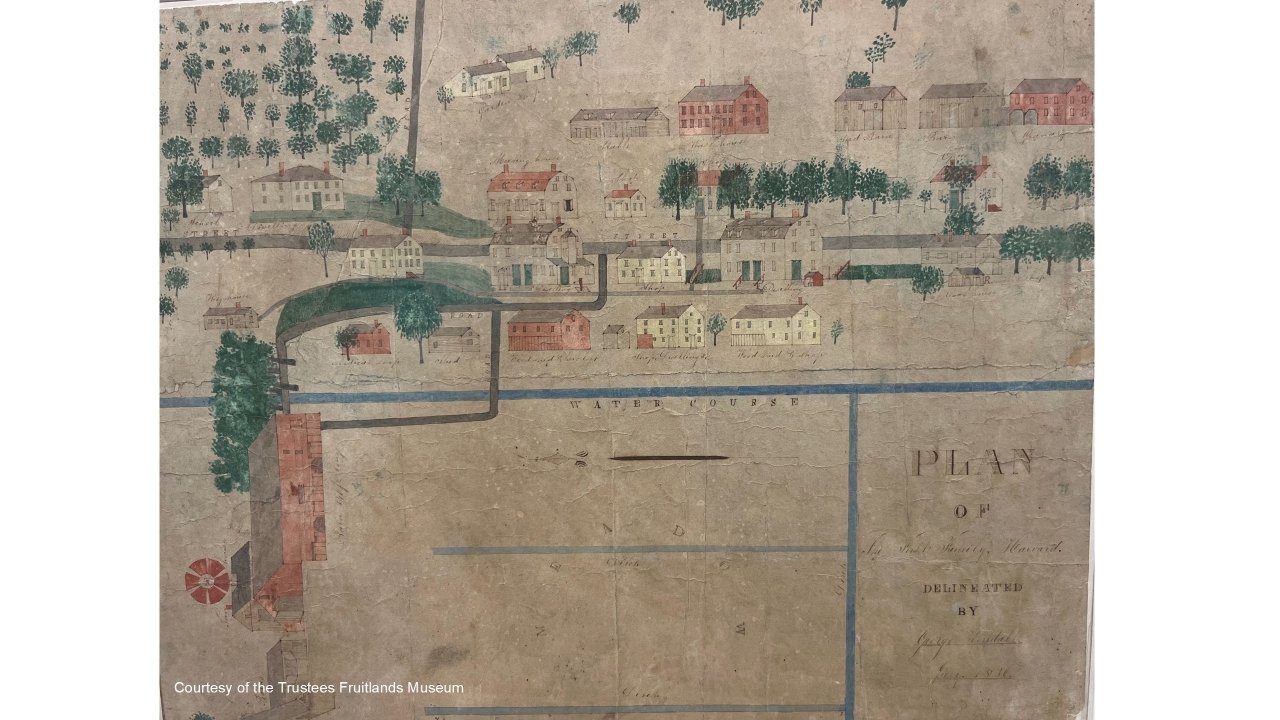
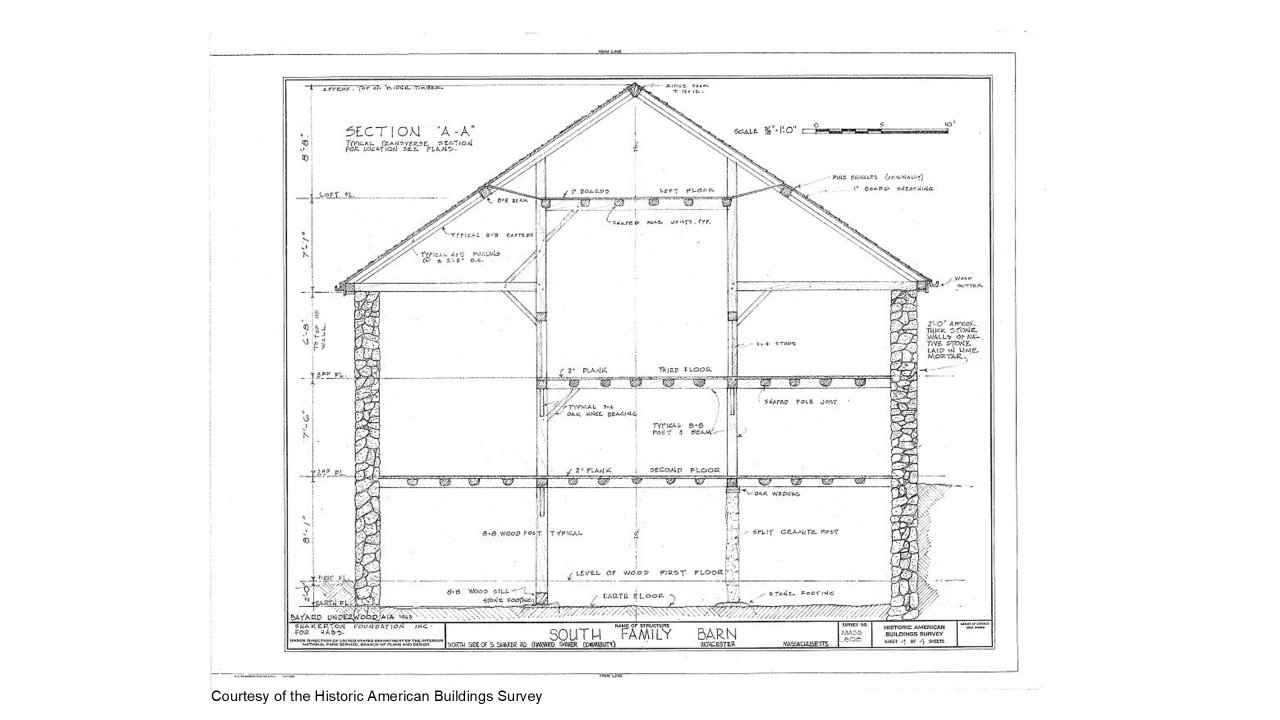
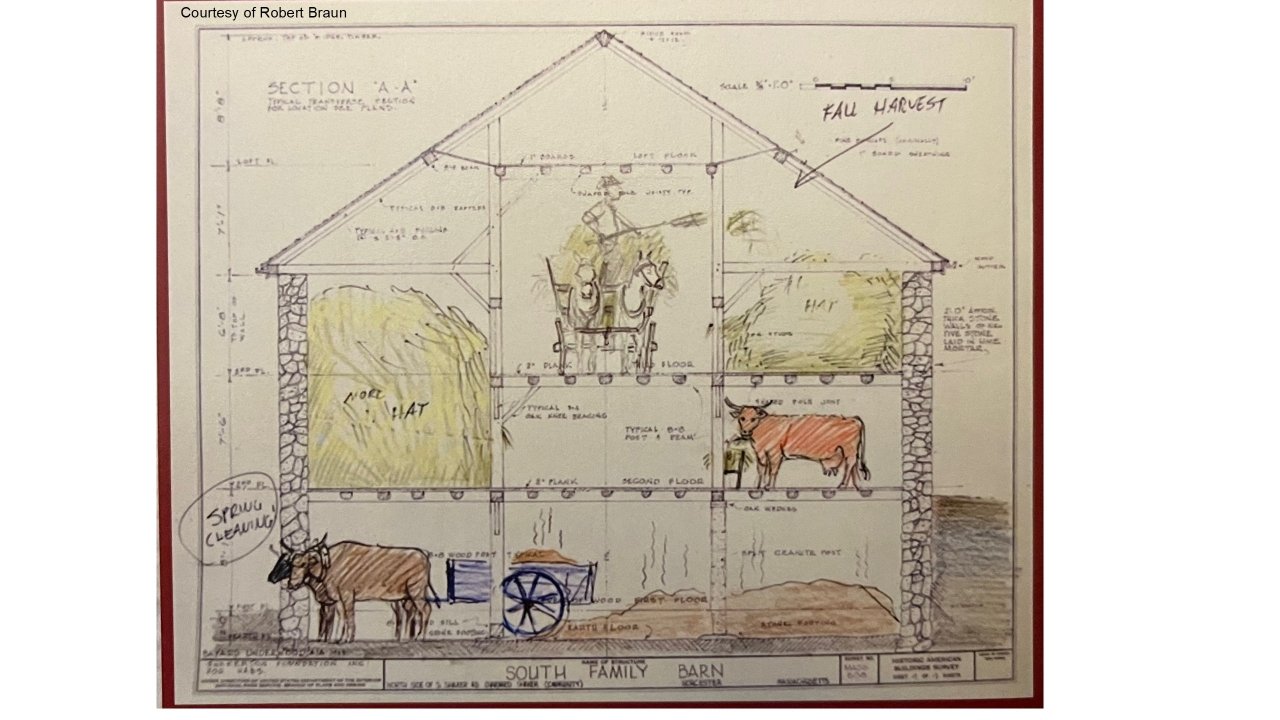
The book is in landscape format, where the width is greater than the height, making possible both panoramic images and clear presentation of maps and charts. Its cover is a colorful plan of the First Family’s buildings drawn by Shaker Charles Priest in 1833. Leafing through, one sees many photos (including recent ones taken by Quist), floor plans, former buildings and the 11 that remain today, maps, charts, diary extracts, and more, all attractively and clearly laid out. Of the 229 pages, the last 50 comprise lists of sources and extensive footnotes for each chapter, showing that this is a work of serious and extensive scholarship. But samples from the text make clear that it is, at the same time, very accessible and endlessly interesting.
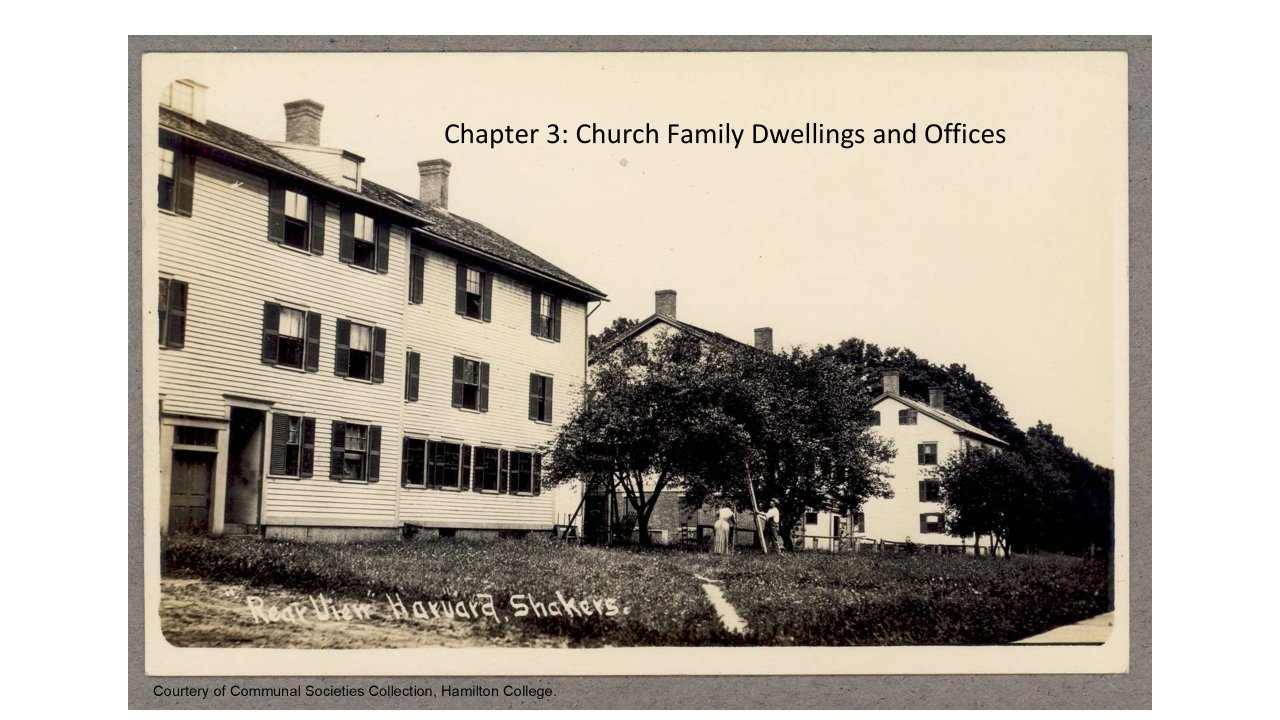
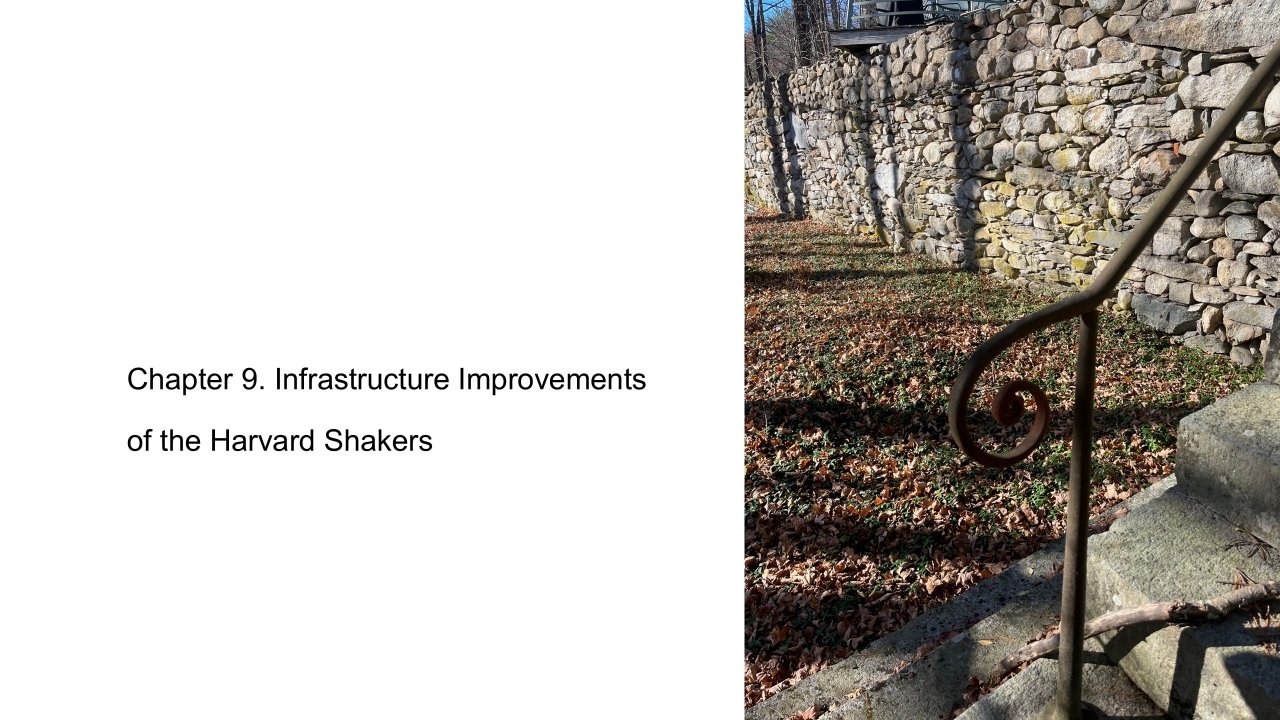
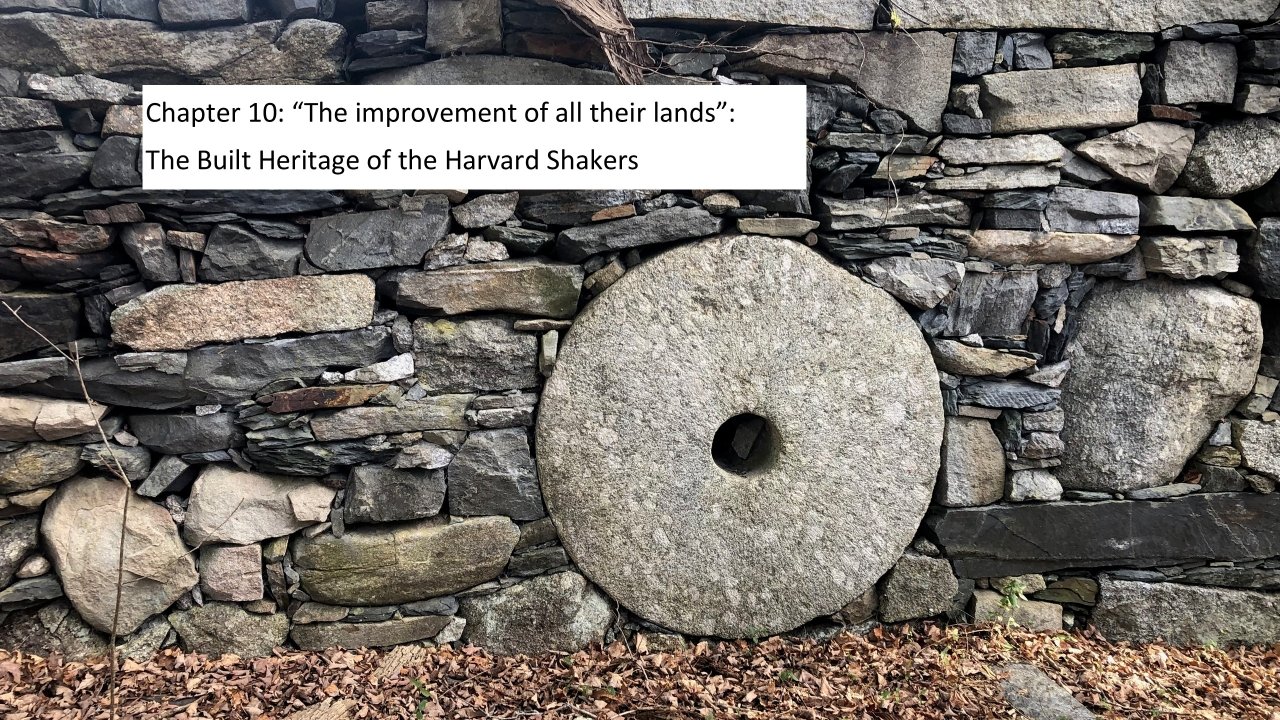
In his introduction, Quist defines “cultural landscape” as “the natural landscape as modified by humans.” In 1781 the Harvard Shakers moved onto already cultivated farmland. Quist writes that “over 137 years they created a dynamic cultural landscape. They improved, moved, built, or had built over 80 buildings.” First came the essential structures of their communal society like the meetinghouse, and then new buildings to support their industries. They made a worship area, Holy Hill, and built roads, bridges, and retaining walls.
Tracing a village
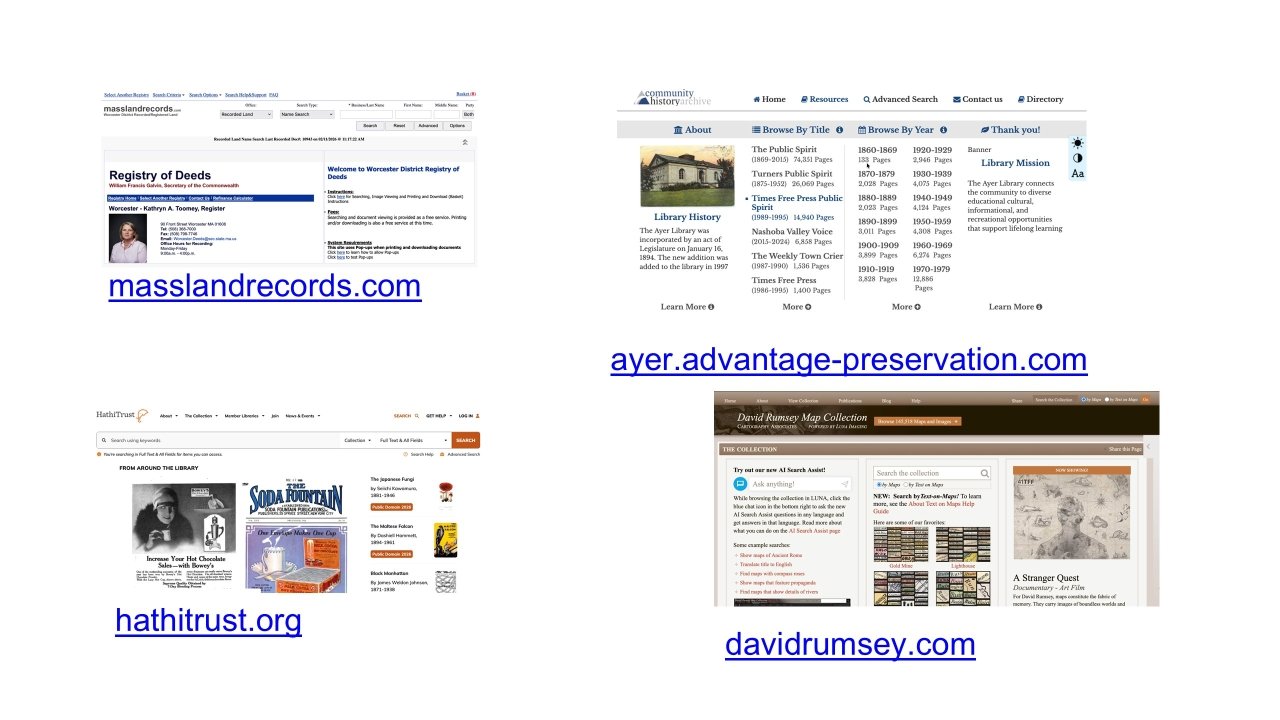
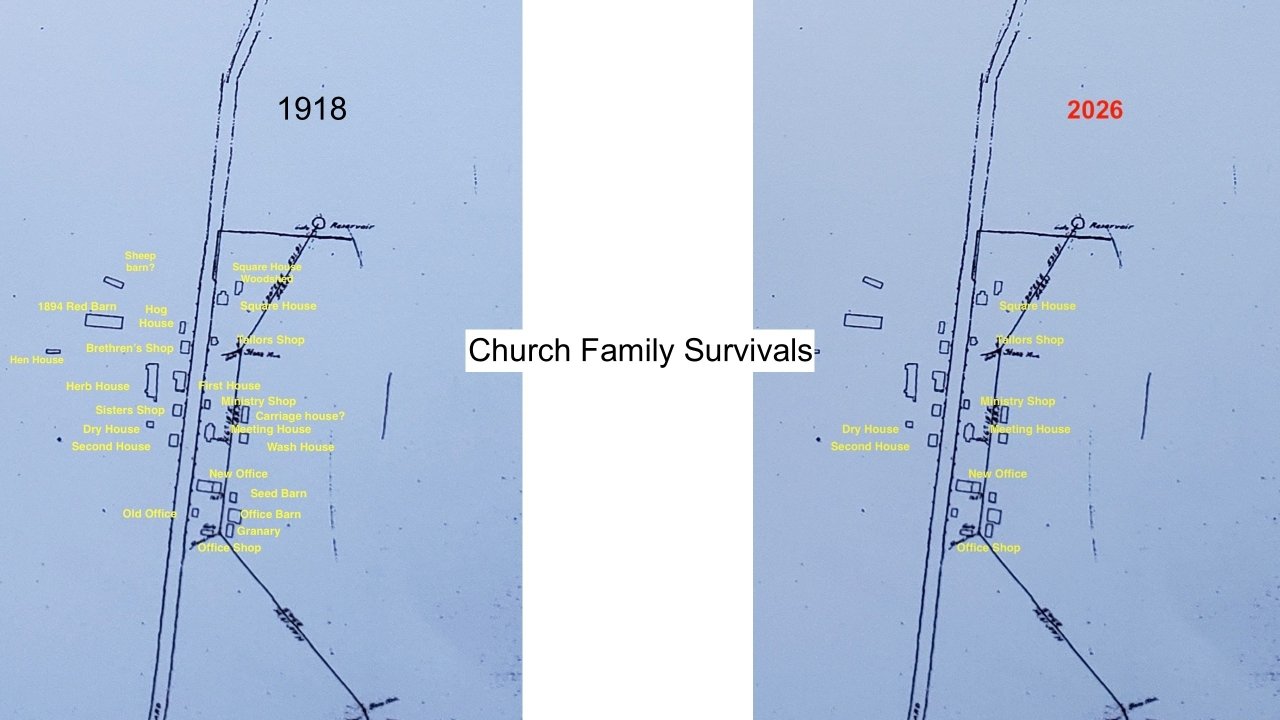
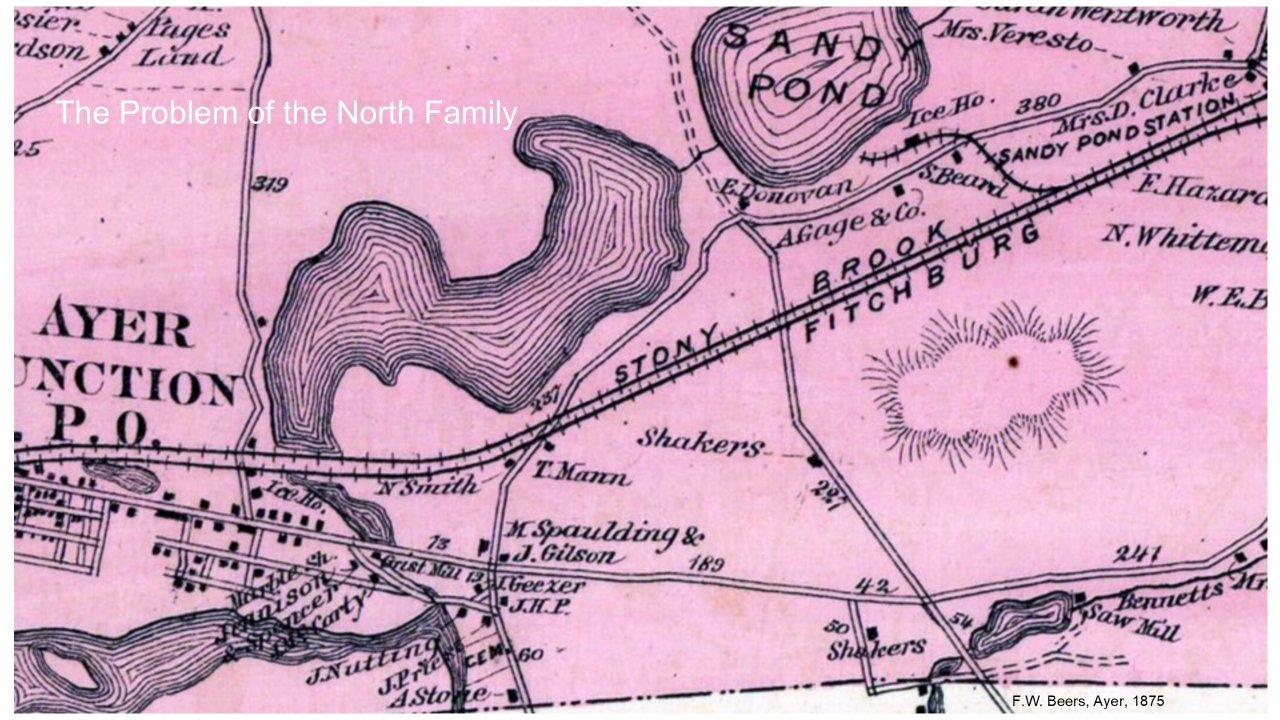
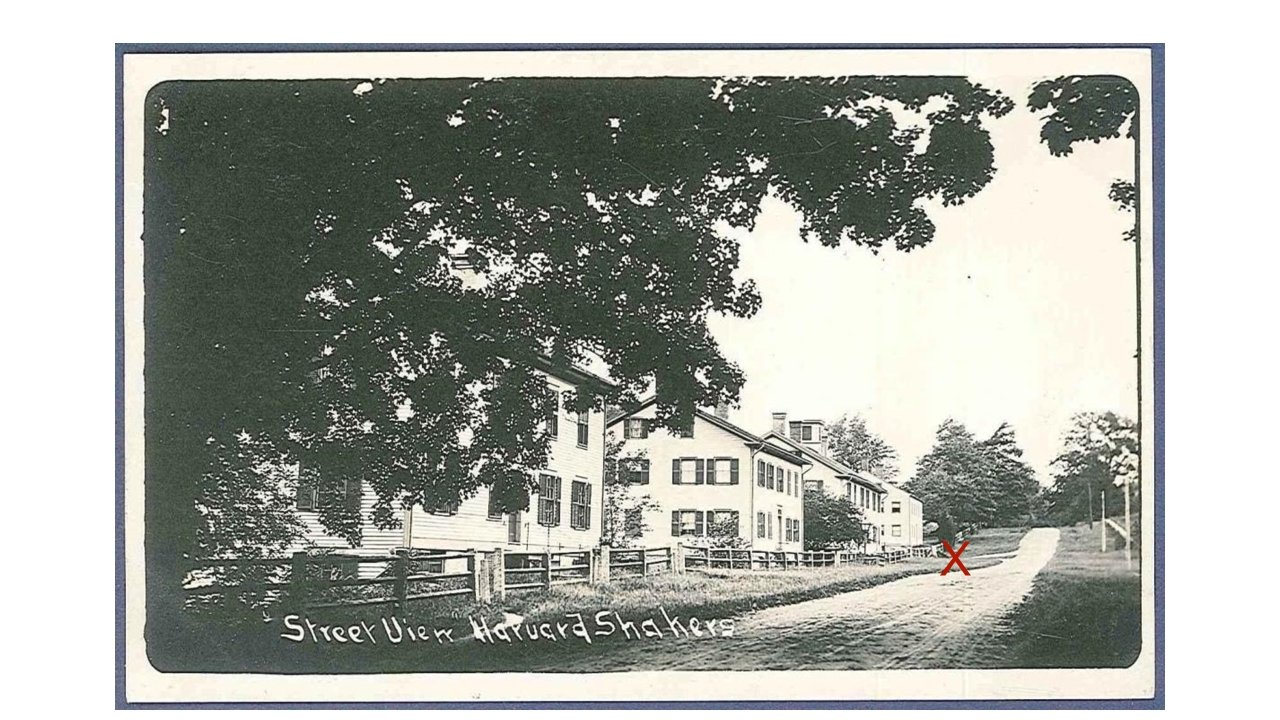
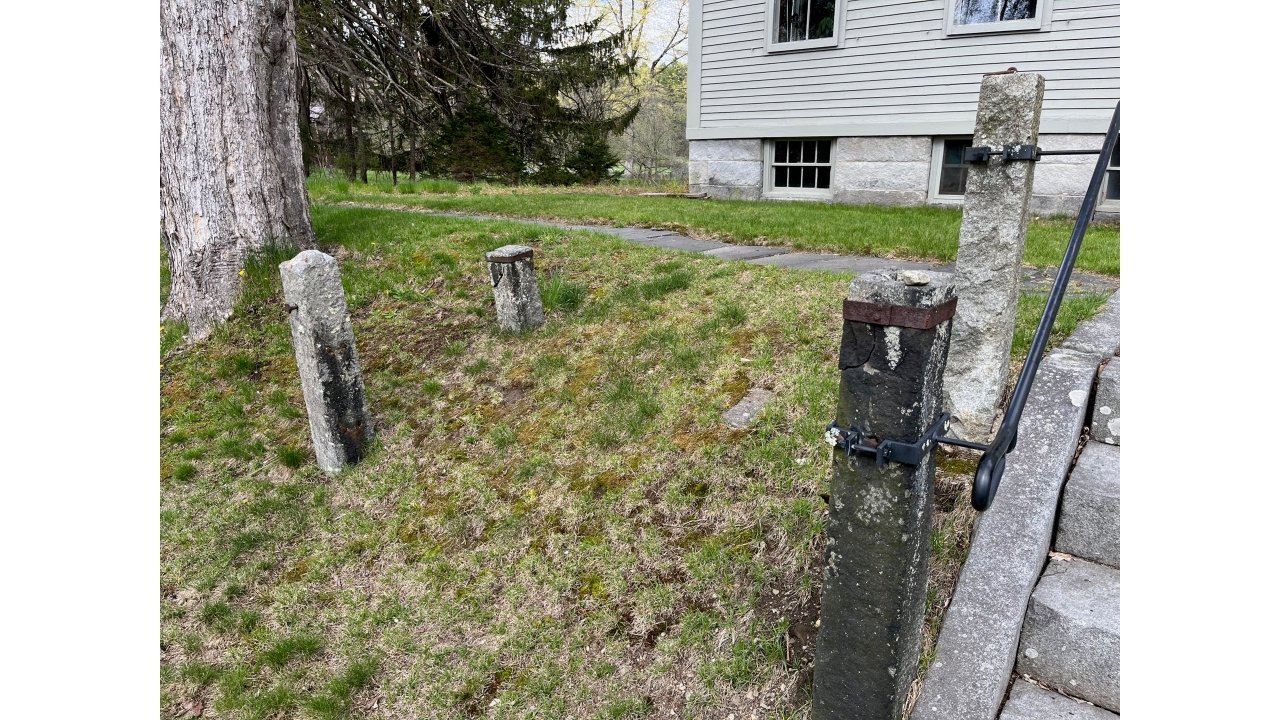
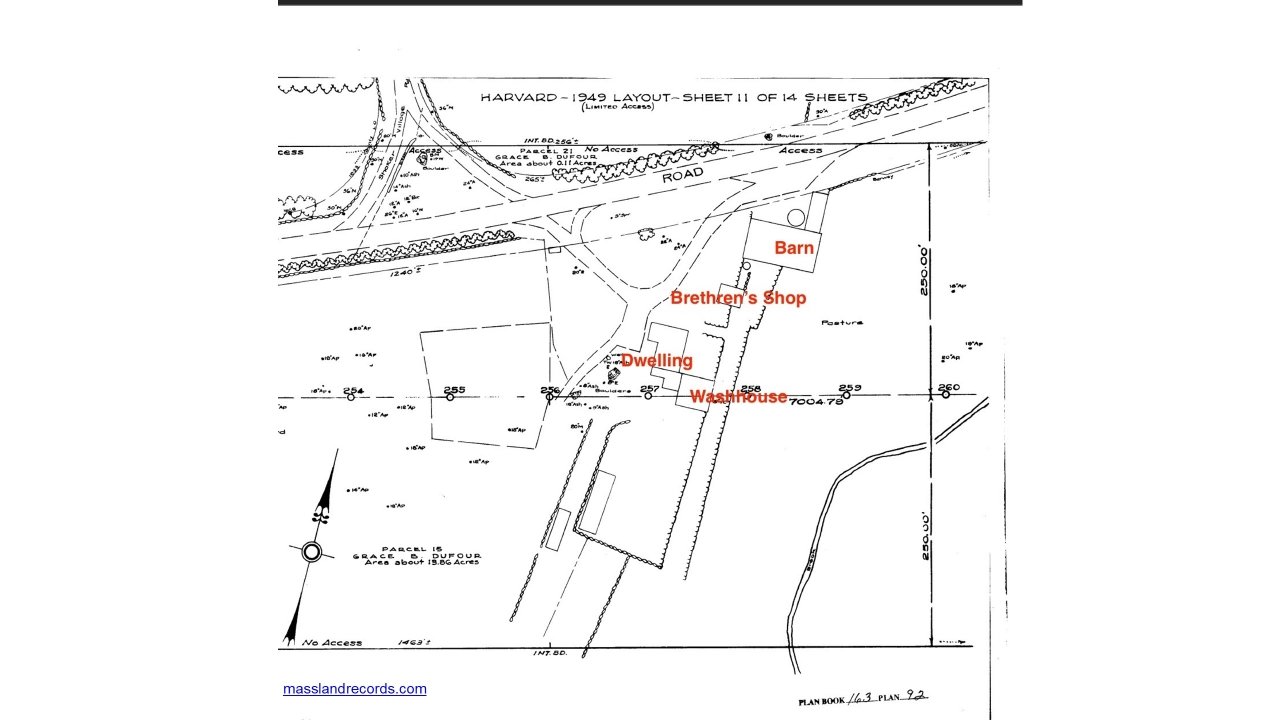
By examining physical evidence from the past—old cellar holes, stone steps, overgrown paths—and studying deeds, accounts books, diaries, town records of tax assessments, and other papers, Quist has been able to identify and locate sites of almost all the structures that existed in the village at one time and to trace the way many were moved, renovated, burned, or left to deteriorate.
Some of his findings he has previously published in various journals. In a recent phone conversation, Quist said that in the back of his mind was the idea that he would write a book when he had published enough articles. An incident in 2024 gave him a nudge. Quist was at the 250th anniversary of the Shakers at Sabbathday Lake in Maine when a fellow Shaker scholar, Christian Goodwillie, said to him, “I understand you’re writing a book.” Later Goodwillie was instrumental in helping to bring the project into print.
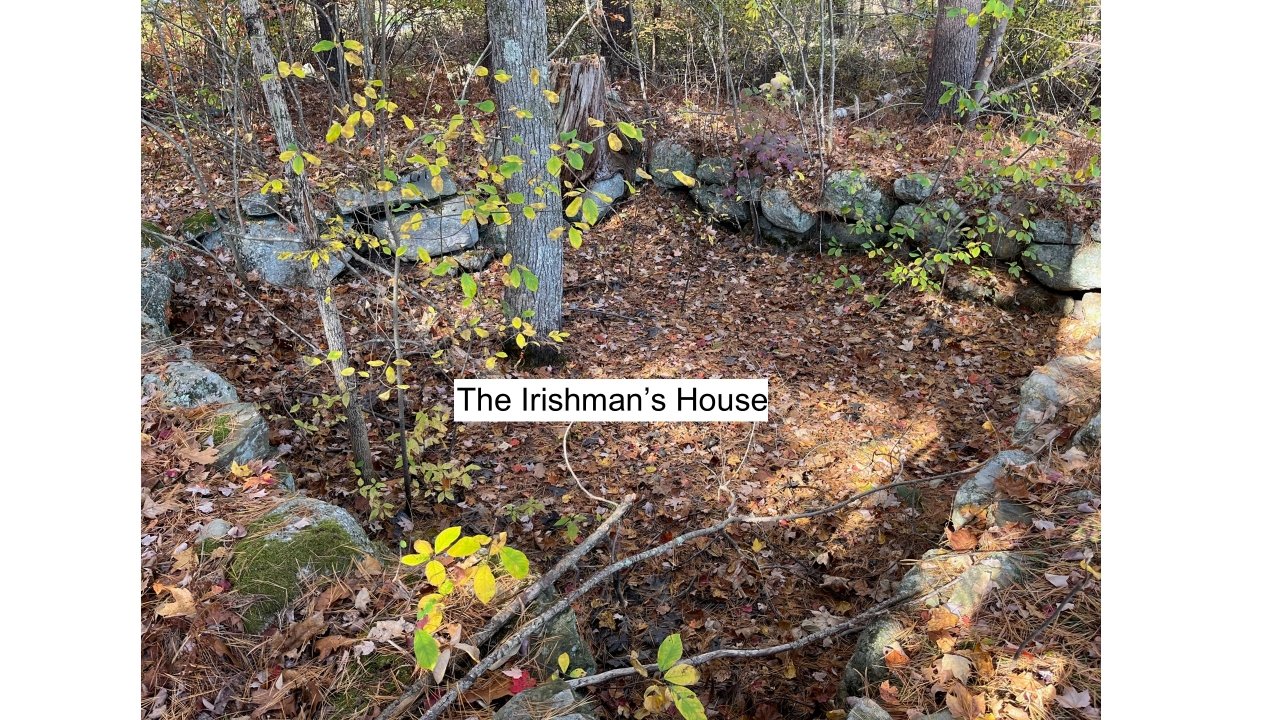
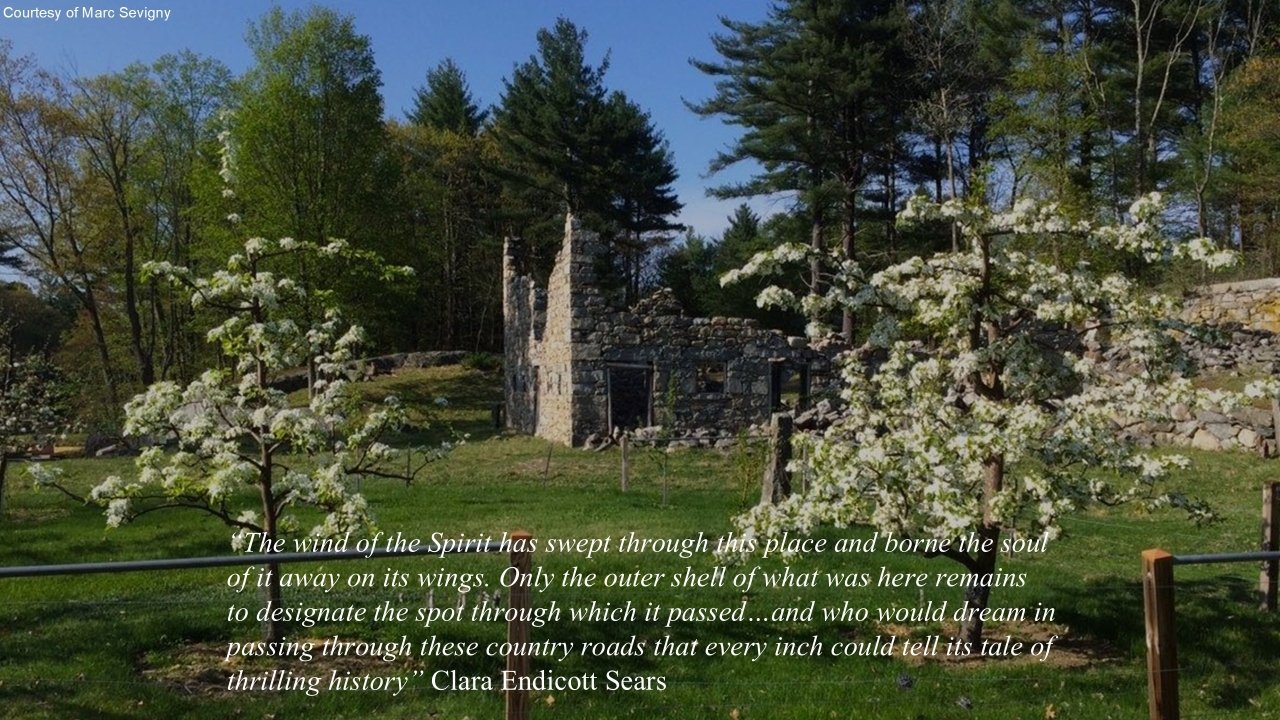
“Some mysteries have been solved and some are still hanging,” said Quist. Judy Warner and Marc Sevigny, both of whom live in Shaker buildings, showed Quist a picture of a cellar hole they had found at the intersection of Sheehan and Shaker roads. In town records, Quist was able to find “the Irishman’s house” at that location and learn that the Shakers assembled the house for Irish hired help. Quist said Harvard “was terrific at keeping records,” and he was grateful to Assistant Town Clerk Nicole Levay-O’Brien for bringing him bound record books from the town vault.
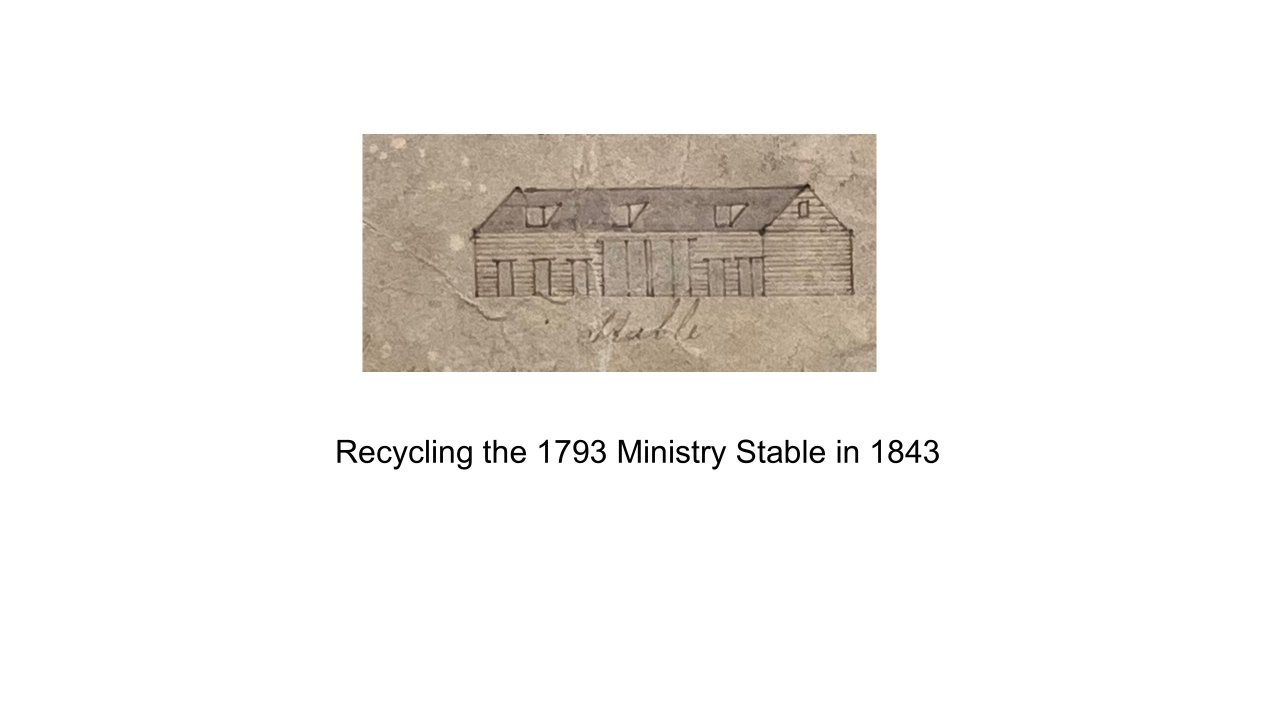
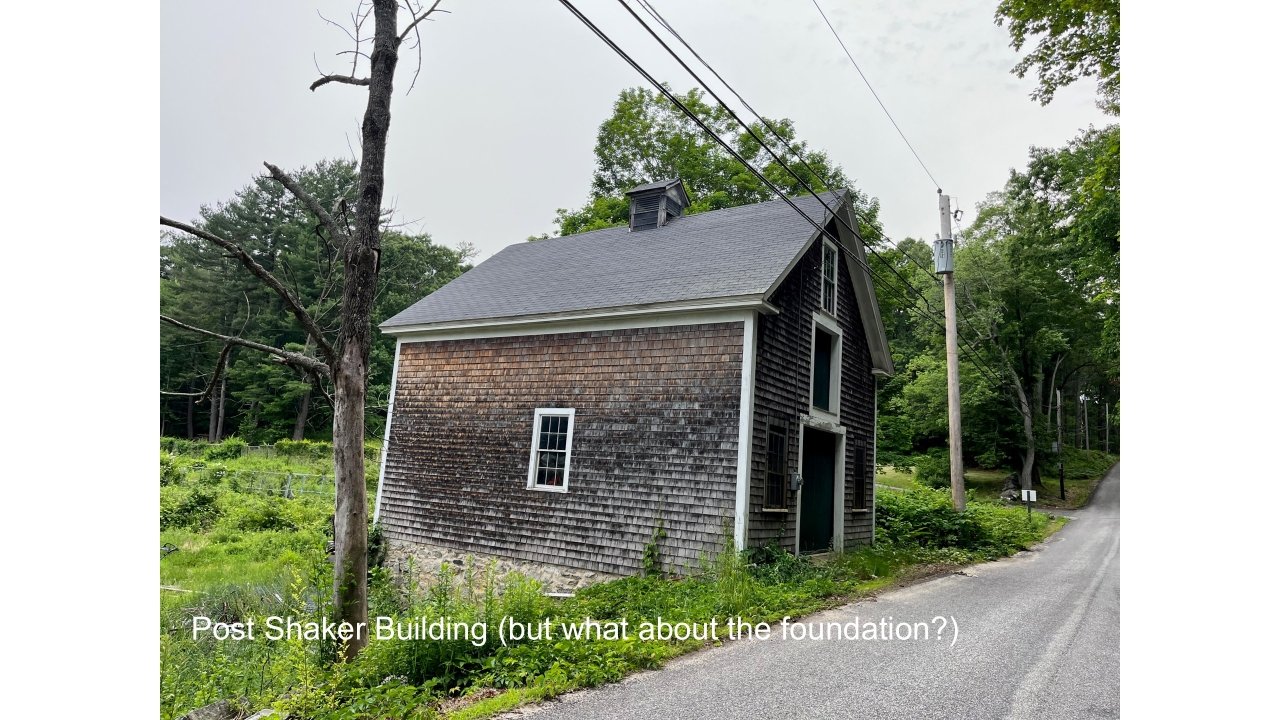
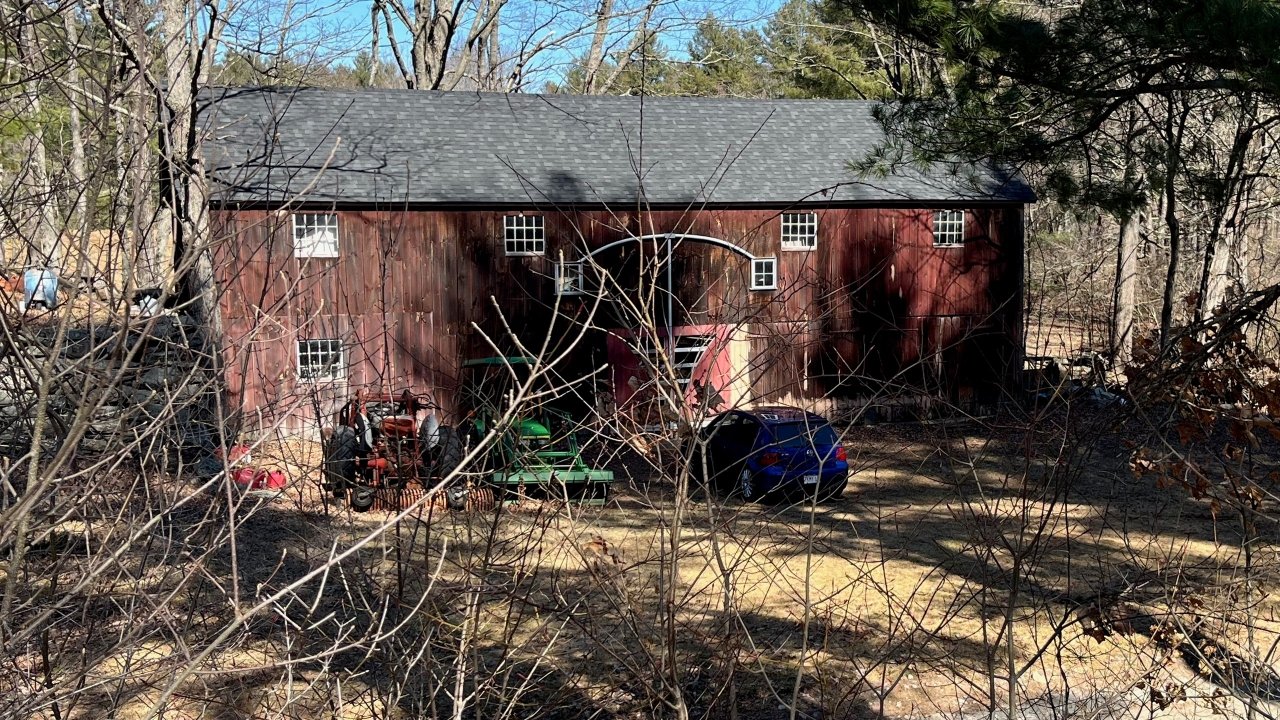
Finding a more recent barn on a Shaker foundation that was considerably larger than the barn itself suggested to Quist that there had been a different structure there earlier. Research led him to evidence that in the 1830s and 1840s there was an 80-foot cart shed on that foundation.
The last structure built
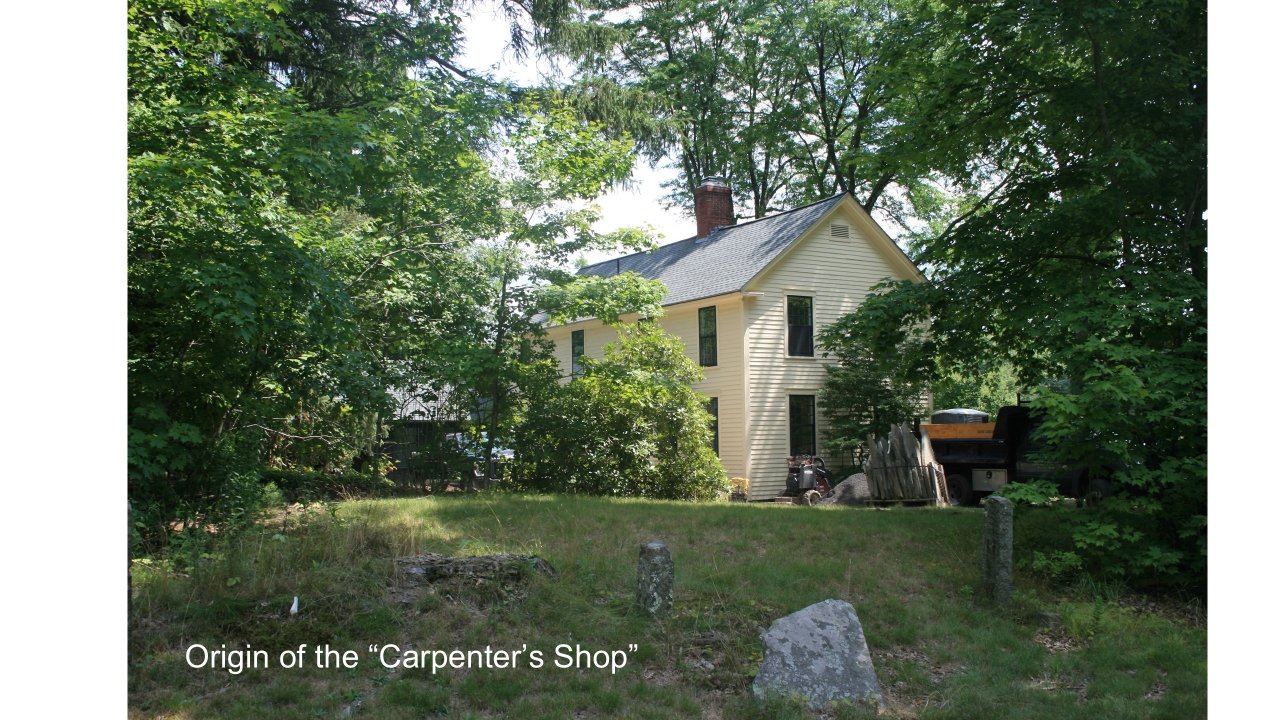
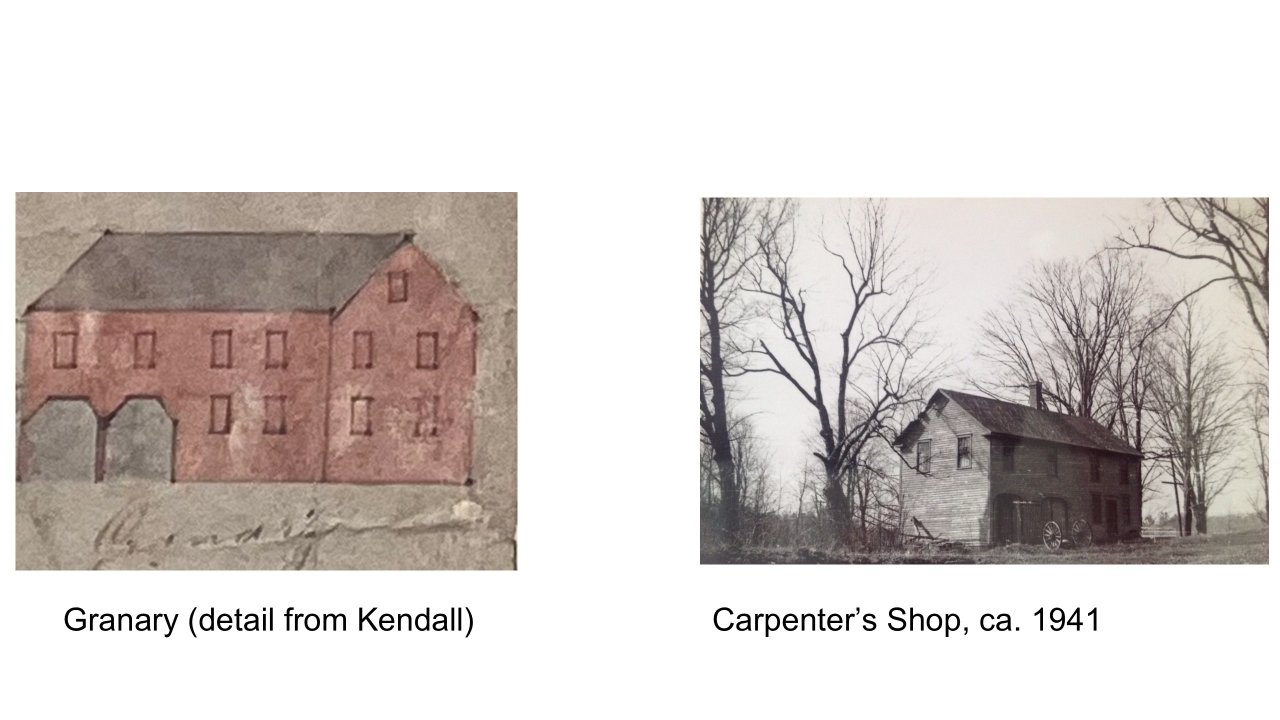
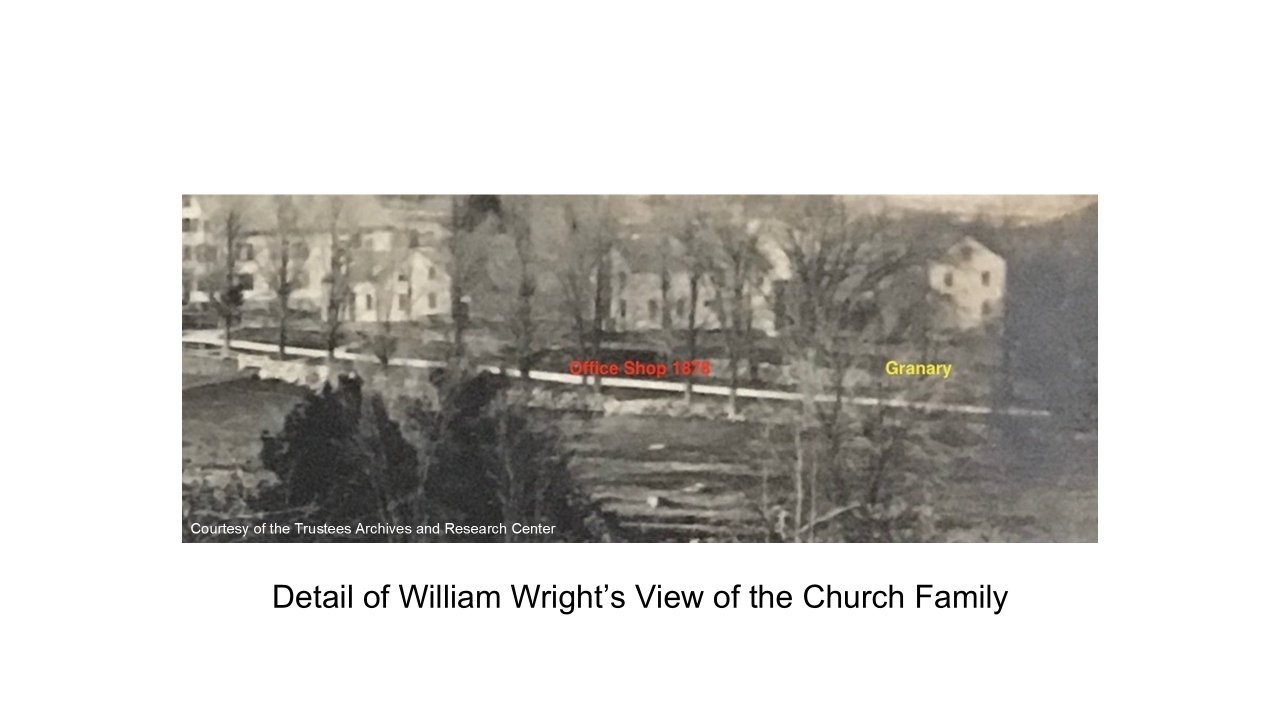
Sevigny and Mark Mikitarian live in what former owner Erhart Muller called the carpenter’s shop because of a workbench he had found. But Quist determined the workbench was not of Shaker origin, as the lumber was not hand-hewn, and he could find no record of a “carpenter’s shop.” He concluded that the so-called carpenter shop was actually the new Office Shop, constructed on the site of a former woodshed and shop in 1878, the last structure built in the village.
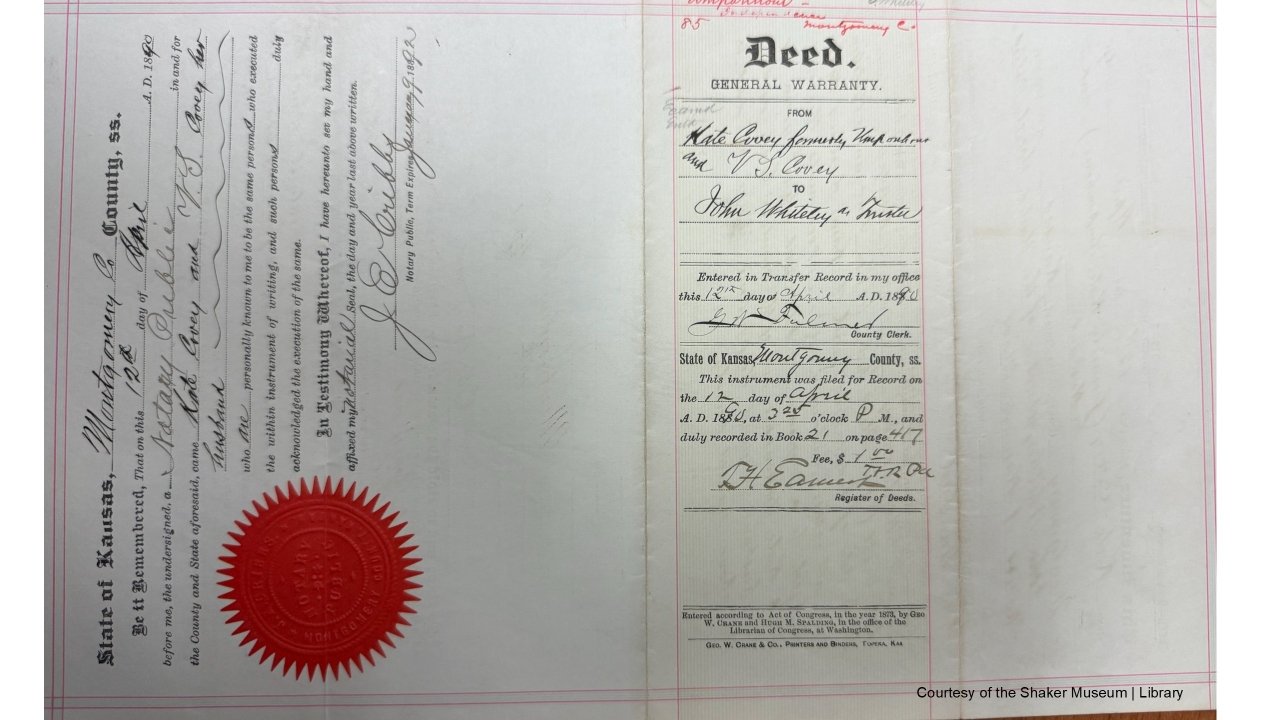
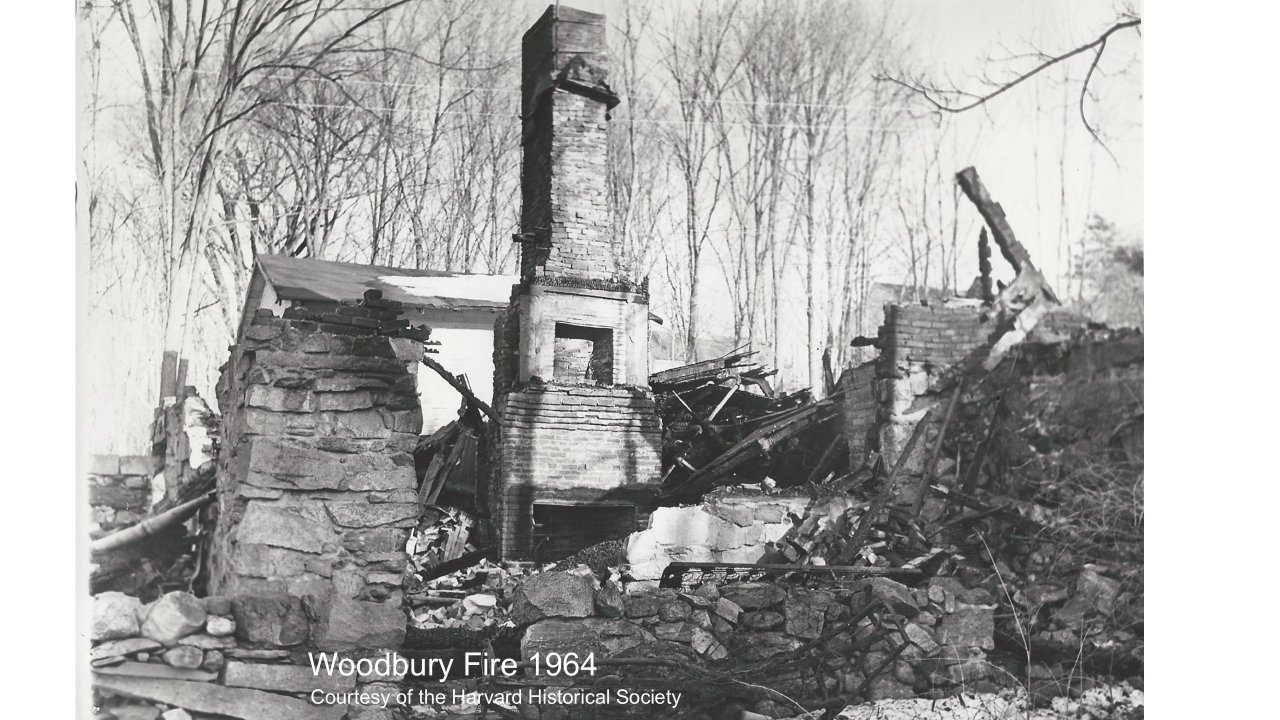
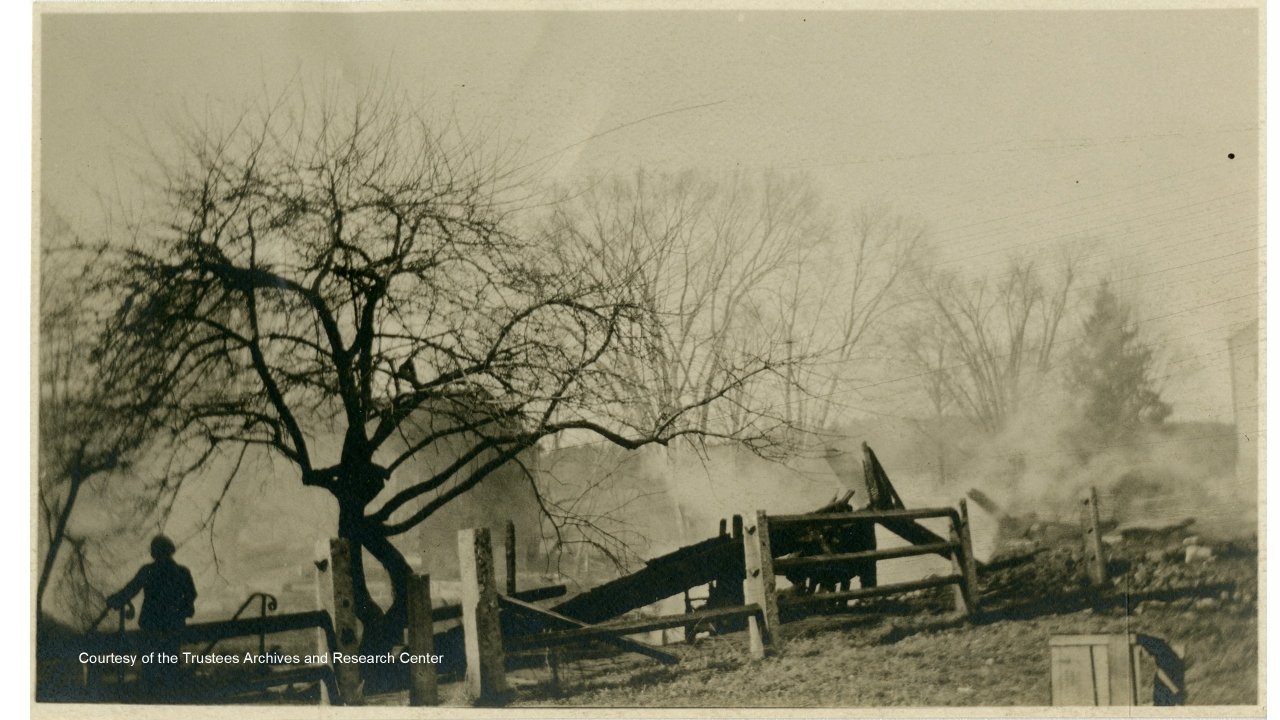
Numerous Shaker buildings were destroyed by fire, and Quist said he is puzzled by the fact that so many occurred after the Shakers sold their land to Fiske Warren for his single-tax experiment. A mystery Quist said he will probably never solve is that, according to a deed found at a Shaker museum, the Harvard Shakers, much reduced in number from the mid-1800s, bought land in Kansas in 1890.
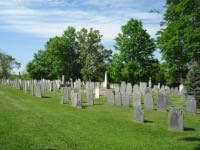
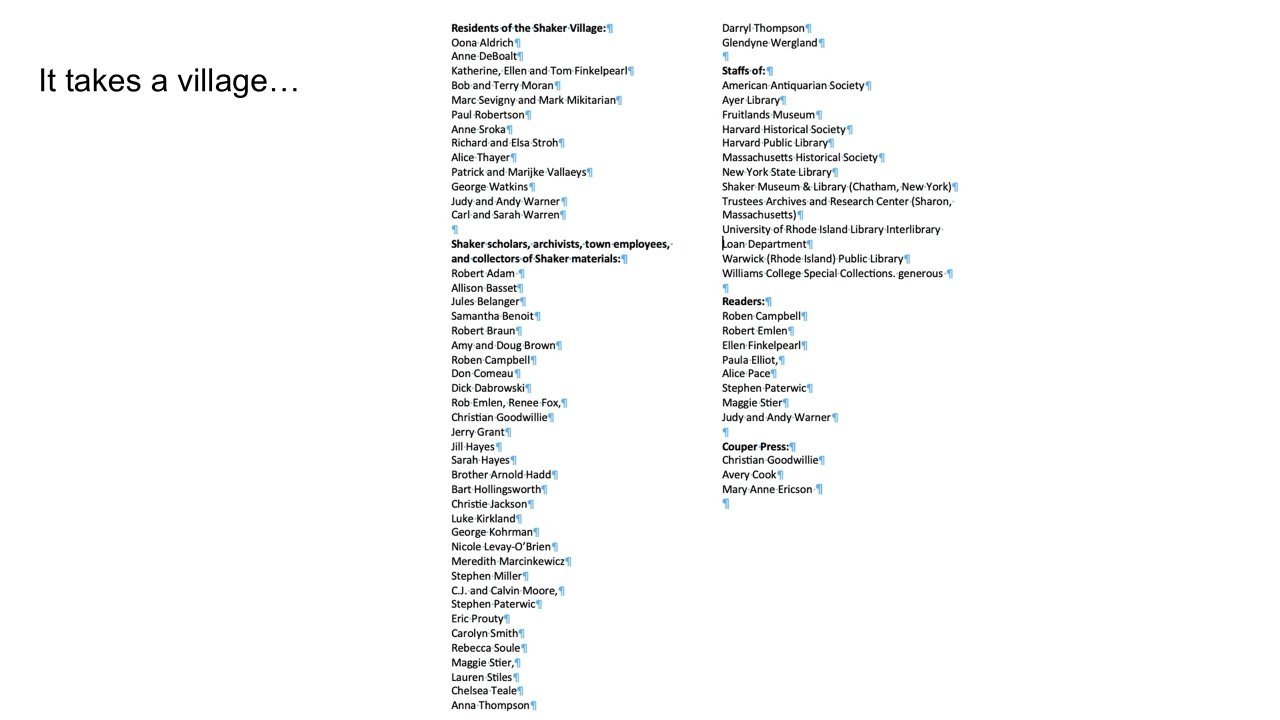
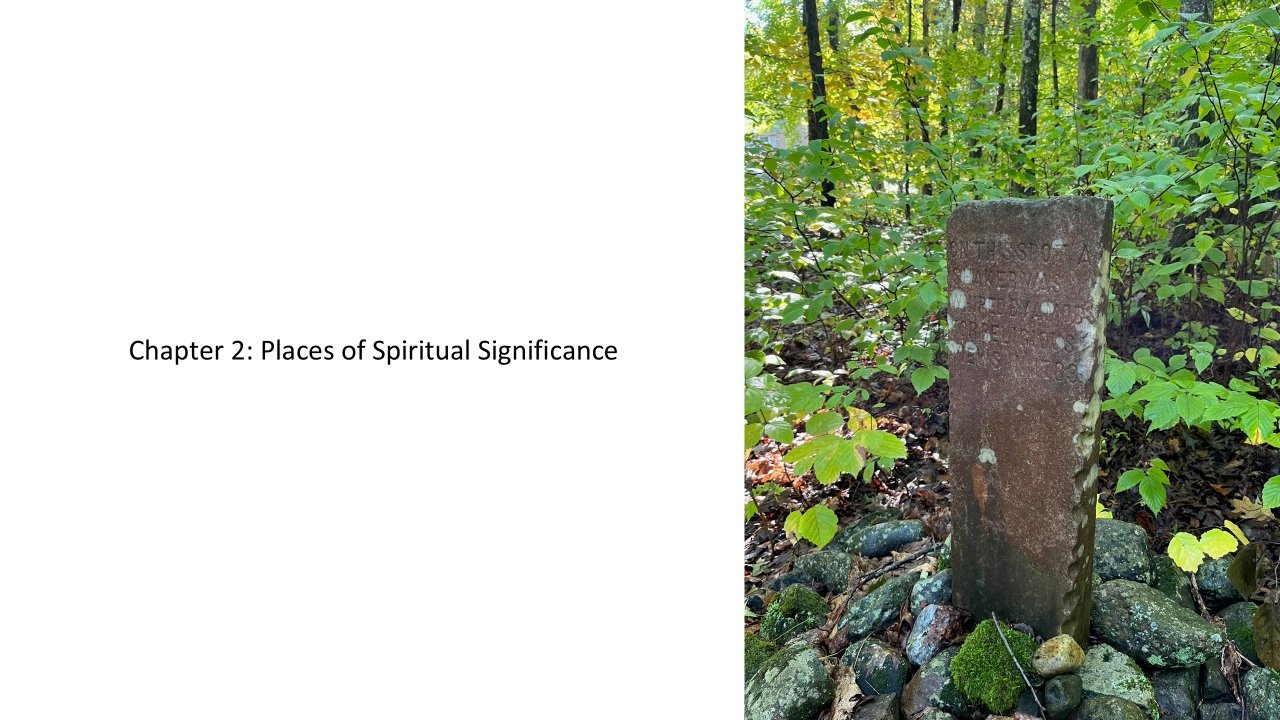
In the book, Quist lists many residents who were helpful to him in his research, including Judy Warner, Historical Society administrative assistant, who sent him material she came across in the society archives, and Roben Campbell, who has transcribed many Shaker journals and is an authority on individuals and on the “lollipop” cemetery. Quist said three of his most helpful “informants” died during his research—Kitty Finkelpearl and Bob Moran of Shaker Village and Calvin Moore of Ayer.
Quist said he still has lots to learn and he’s having fun doing it.
Refreshments and conversation will follow the program as well as the sale and signing of the book. The program is free but a donation for the society’s public programming is appreciated.
From The Harvard Press by Carlene Phillips · Friday, May 15, 2026
Copyright Harvard Press, LLC, 1 Still River Road, PO Box 1, Harvard, MA 01451, 2025.
This work is licensed under a Creative Commons Attribution-NonCommercial-NoDerivatives 4.0 International License
More Historical Society Events, past and present...
Nosferatu: A Symphony of Horror
October 28, 2026
The Declaration Then and Now

June 14, 2026
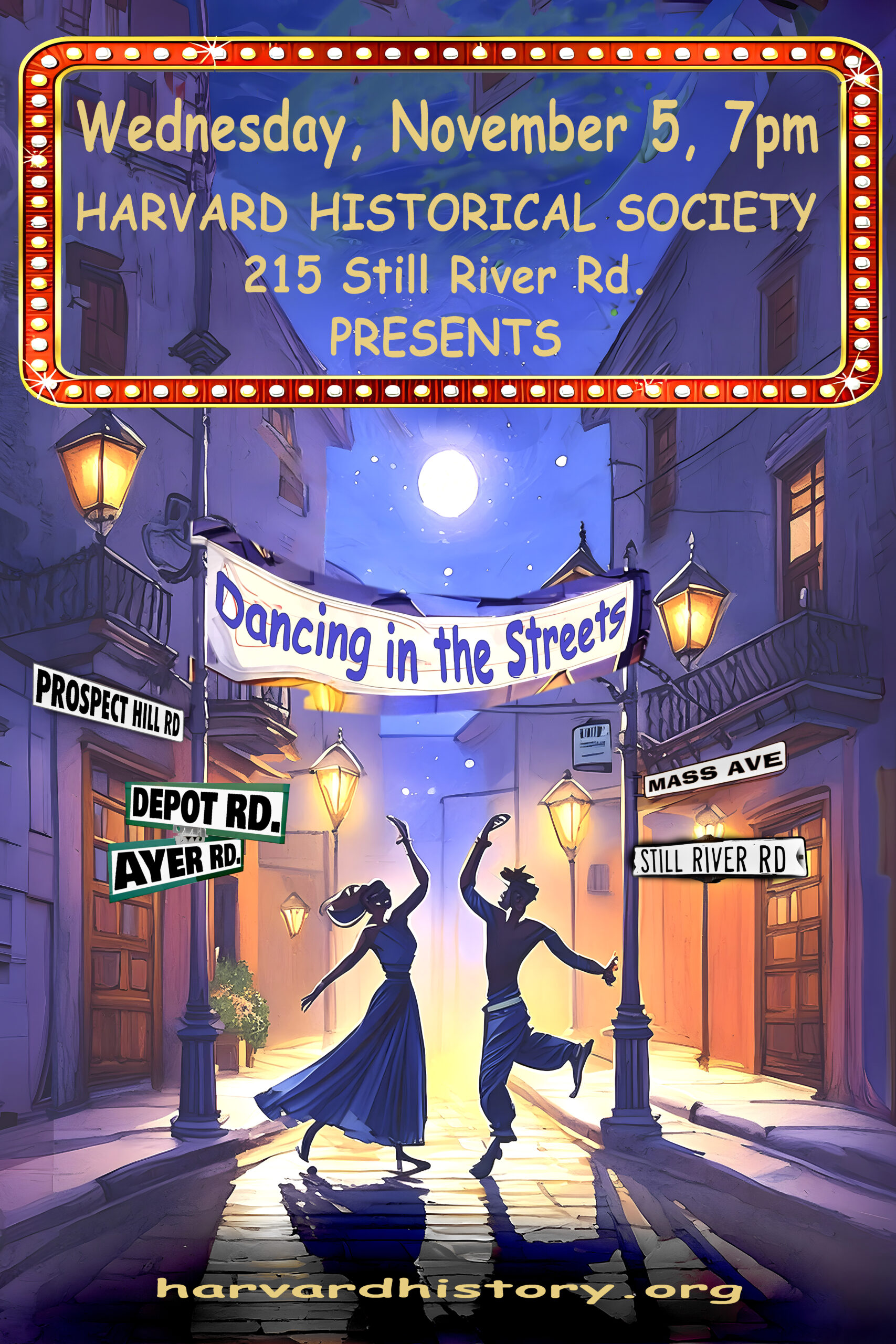
Dancing in the Streets: A Live Musical Program of the Arts in Harvard with Clara Endicott Sears
November 5, 2025
The Hazards
October 16, 2025
Finding Fanny Whitney: The Civil War Letters of Charles E. Whitney
September 18, 2025
Harvard in the Revolution: A Cemetery Tour

June 1, 2025
Muskets and Minutemen: Arms of the Colonial Soldiers
April 17, 2025
Annual Meeting and Organ Concert 2024
December 17, 2024
See all...